Bolting Toward Summer

shiro_0531_bolted

Oops, I Bolted

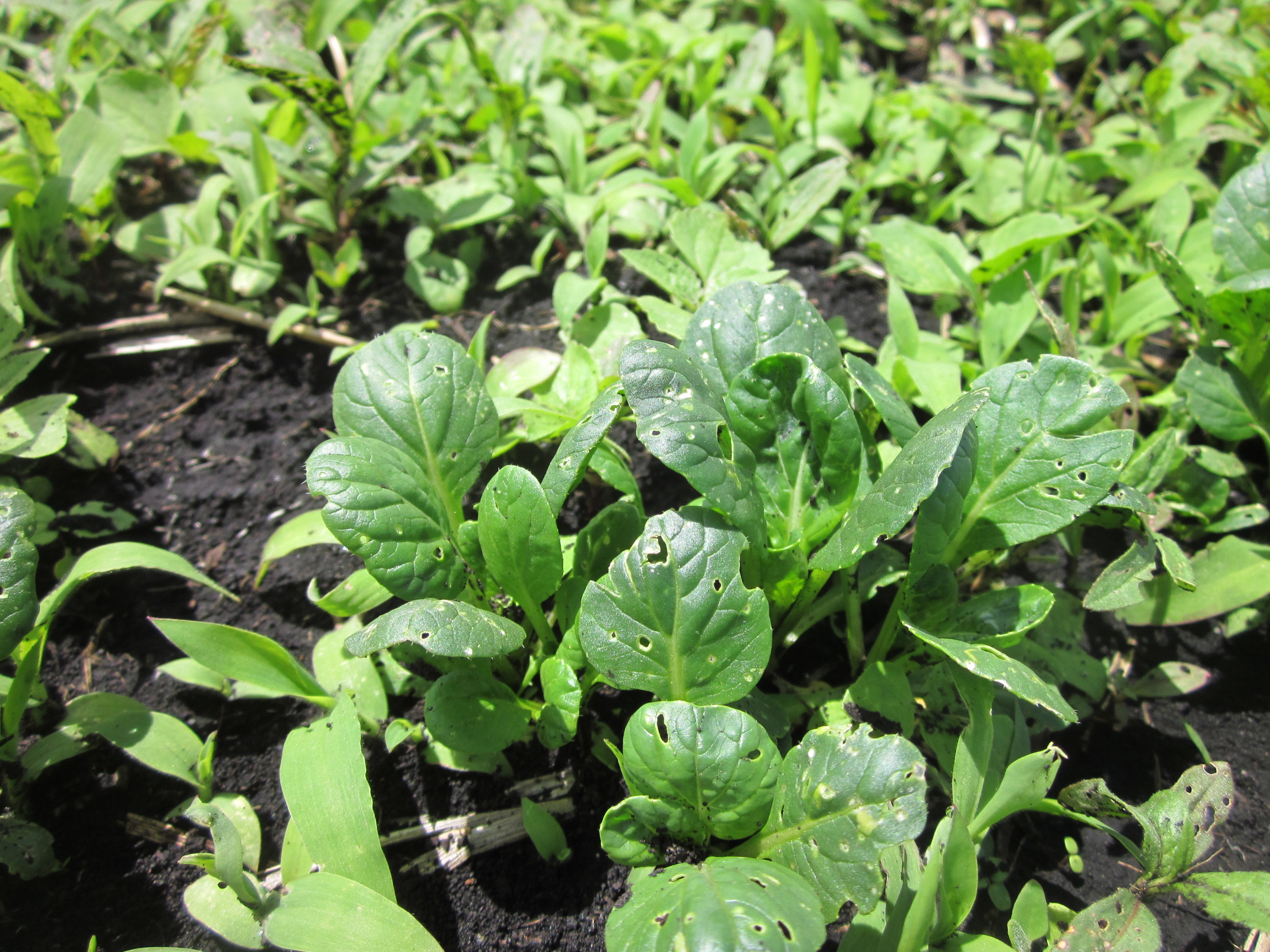
This is a baby bok choy that has sprinted toward setting seed, due to the recent warming days. Bolting causes a plant to become leggy, tough, and in certain vegetables, to become bitter. There wasn’t much to do, unless I wanted to experiment with saving seed, except pick it and eat it.

shiro_0531_bowl

Bok Choy

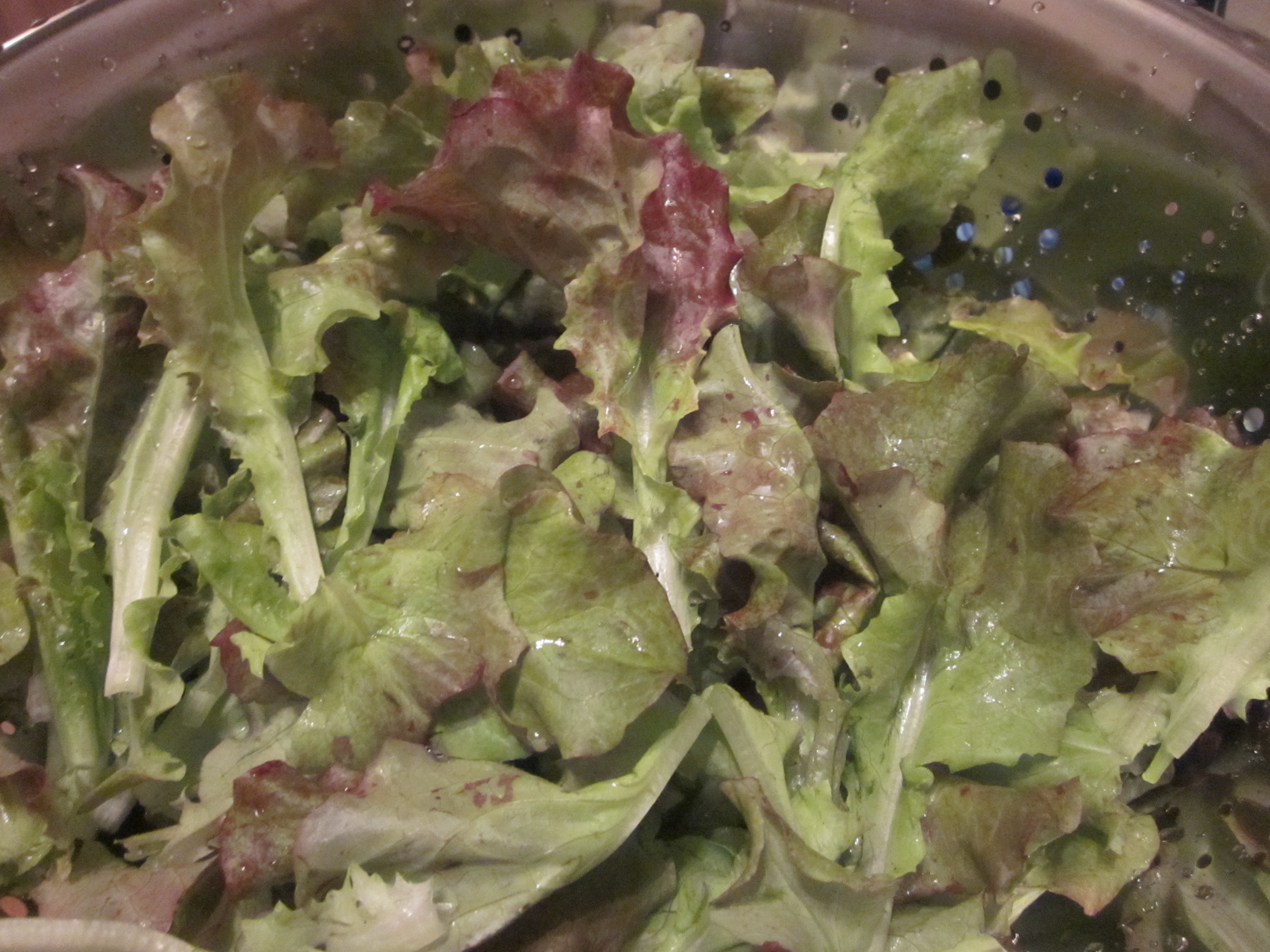
Bowl of “shiro” baby bok choy, trimmed of roots, washed, and ready to be cooked. It was quite tasty, like a very mild broccoli raab. Another variety of baby bok choy is more resistant to bolting, so I took a chance and left it in the ground for another week.
longbean_0531

Bush Beans

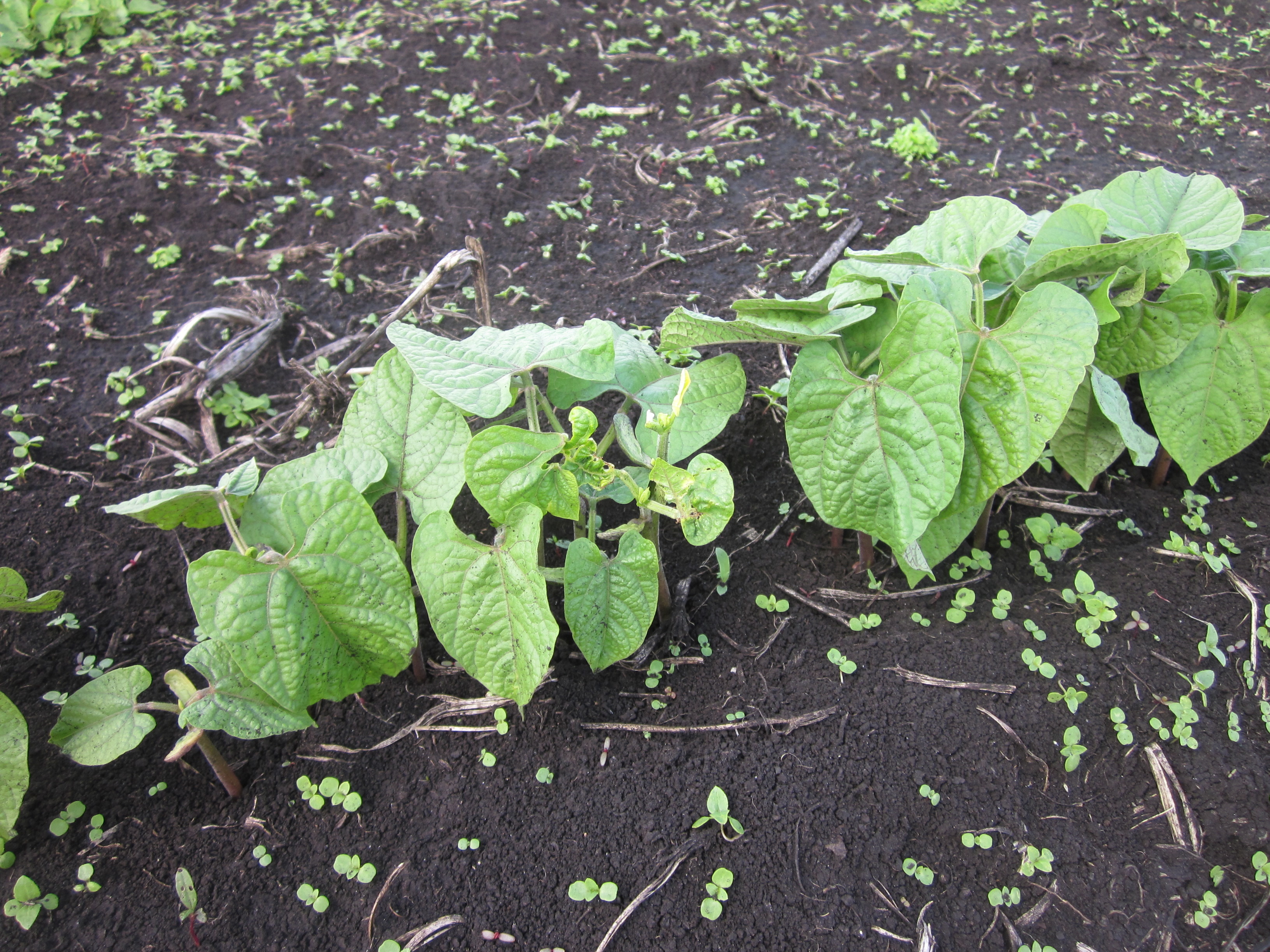
Beans are showing strong growth. Bush beans do not send up vines, so there is no work to put up a trellis. The yard long beans are popular in asian cuisine, and have a drier texture than string beans.

bushbean_0531

Yard Long Beans

borage_0531

Borage, probably

Not too much color yet, but finally flower seedlings are sprouting. I designated an area for flowers that deter pests, thinking that I can grow it here and transplant as necessary. Borage produces an edible purple flower that tastes like cucumbers. It is supposed to be a good companion plant for brassicas, and tomatos.

calendula_0531

Calendula

lettuce_0531

Lettuce Experiment

Tiny seeds such as lettuce have a pelleted version to enable the use of mechanical seeder. The seeds are not expected to germinate well after a year, but it has worked out. This experiment on older seed worked even without weeding, irrigating, fertilizing, or spraying.
Posted in Uncategorized | Leave a comment

Compounding the Work

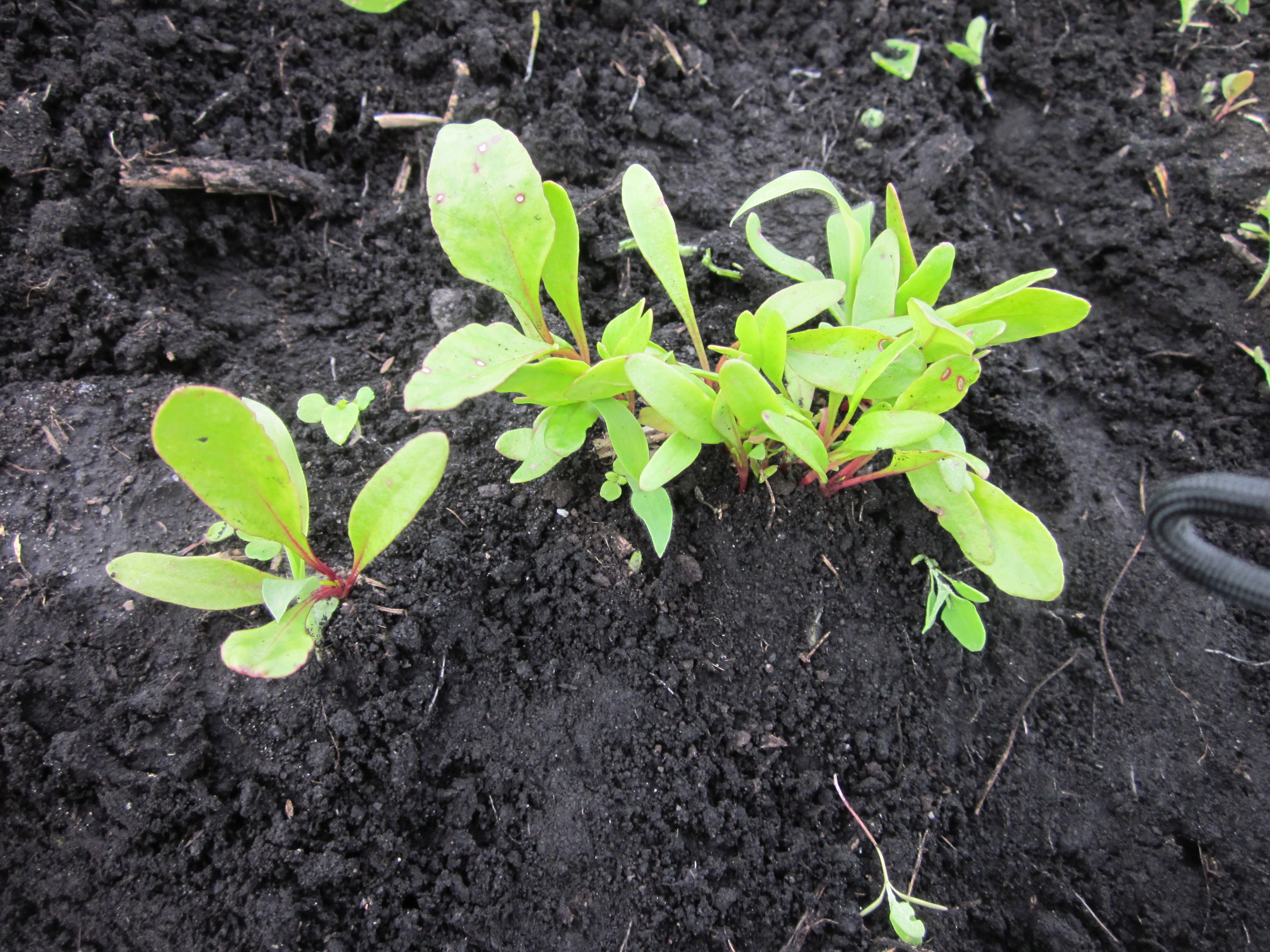
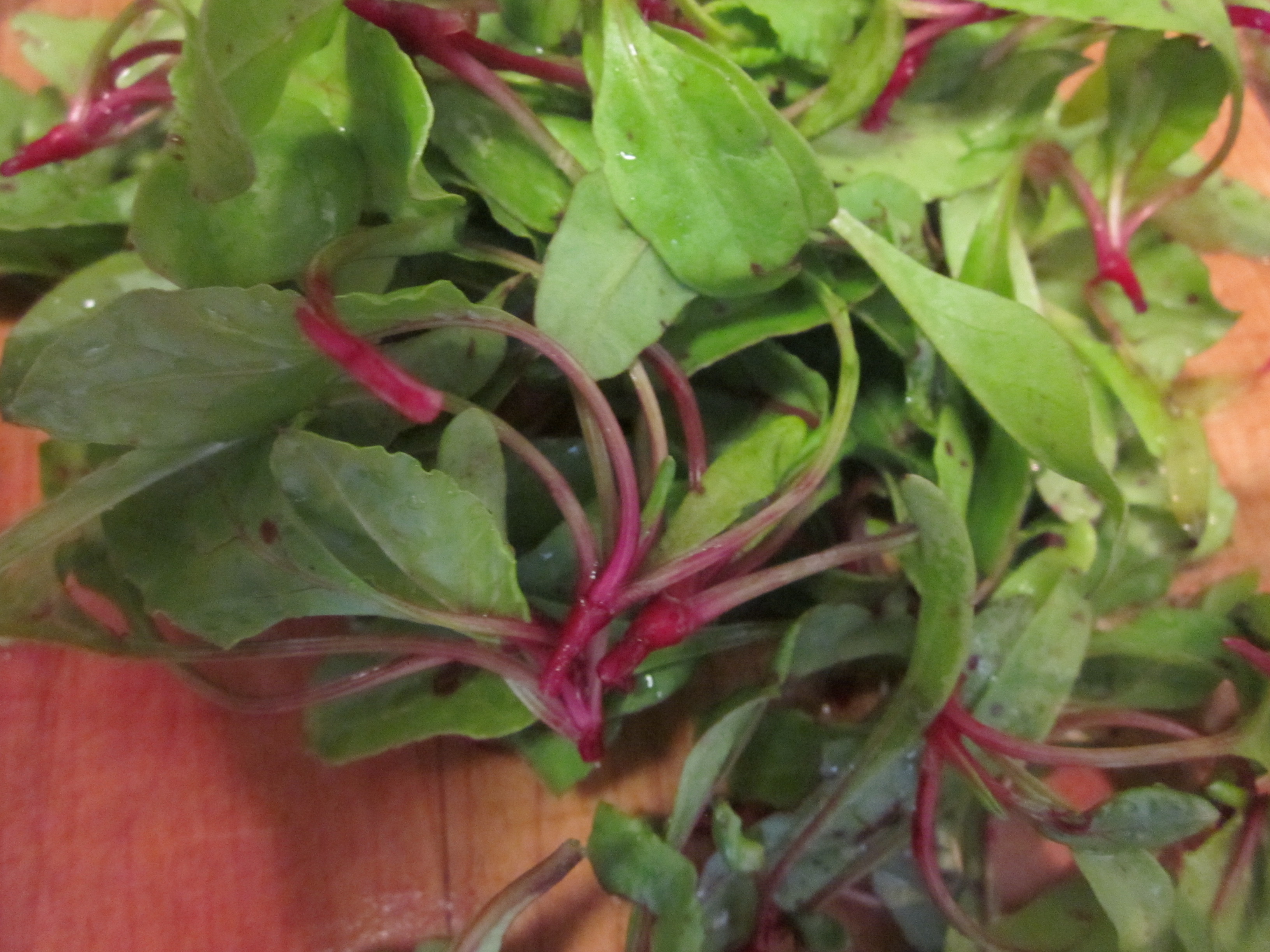
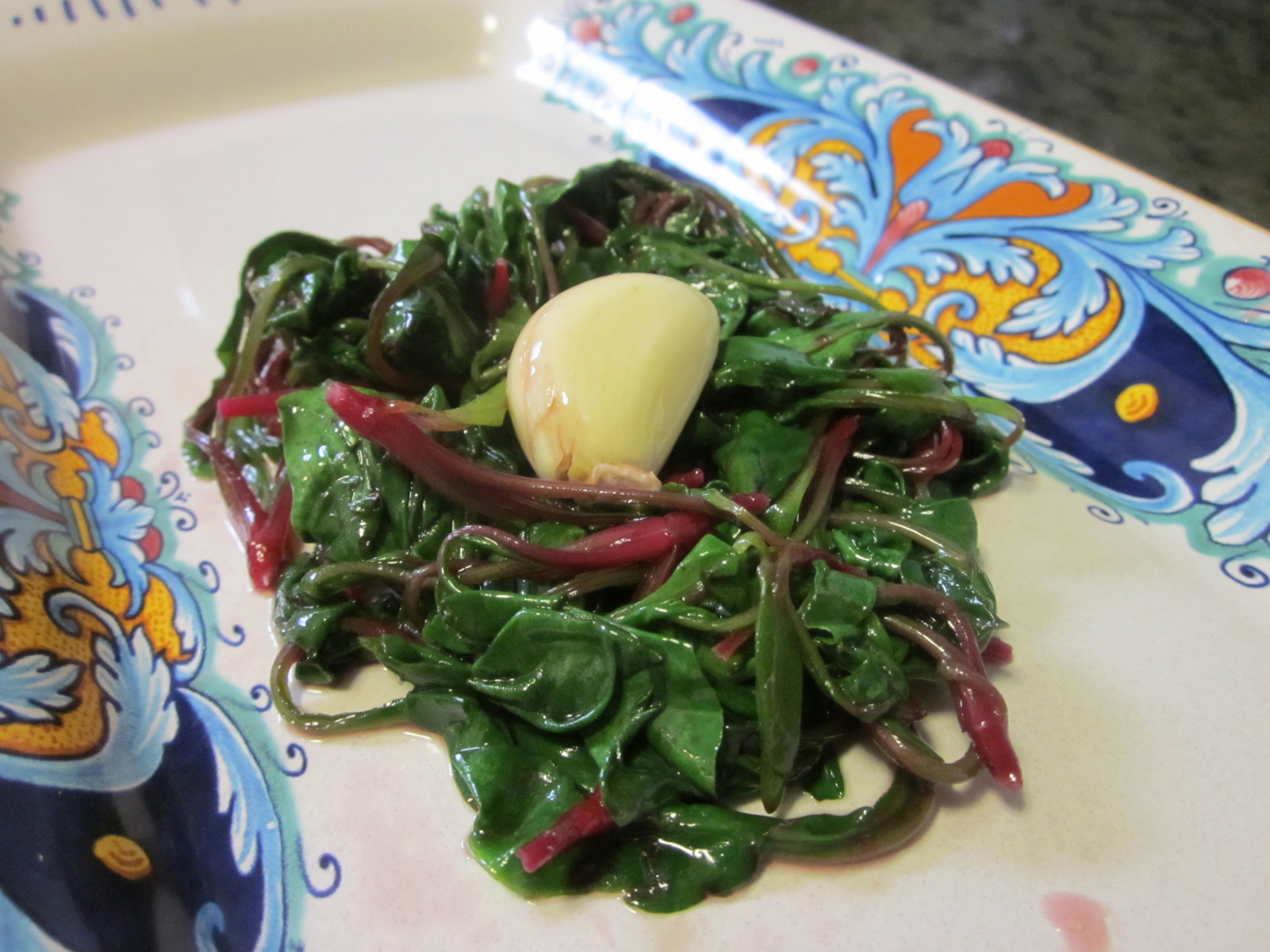
When the row of beets finally started coming on strong, it needed to be thinned. Each beet seed is actually a compound seed, and can sprout multiple seedlings. Thinning helps to create enough room for the developing root. I didn’t do a great job thinning, but so far there are plenty of seedlings. Note to self to set seed much farther apart for the next succession planting.

beets_0528_seedling

Beet Seedling

beets_0528_cooked

Sauteed Beet Greens

Posted in Uncategorized | Leave a comment

Romancing the Radish

Radish

Radish

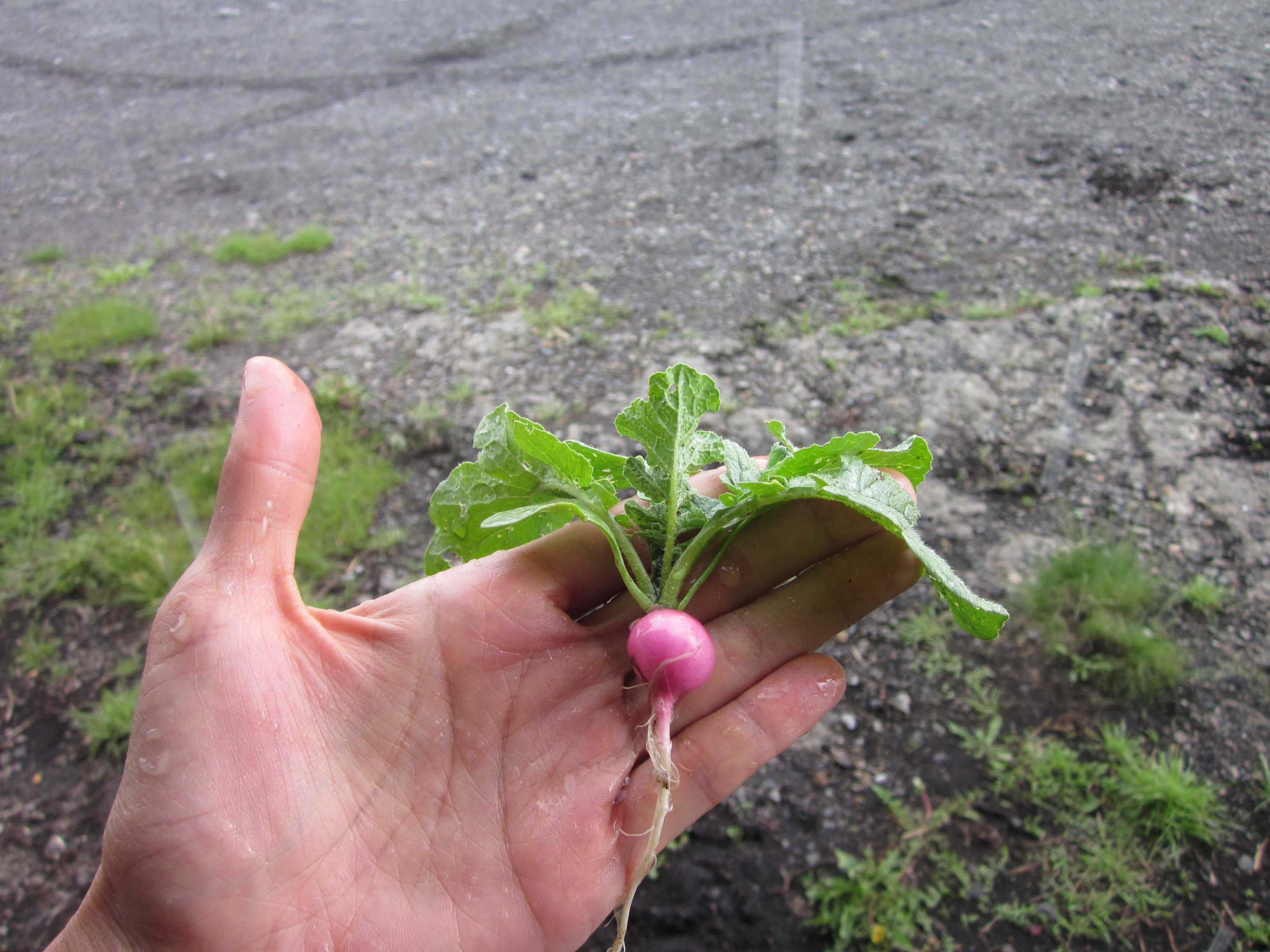
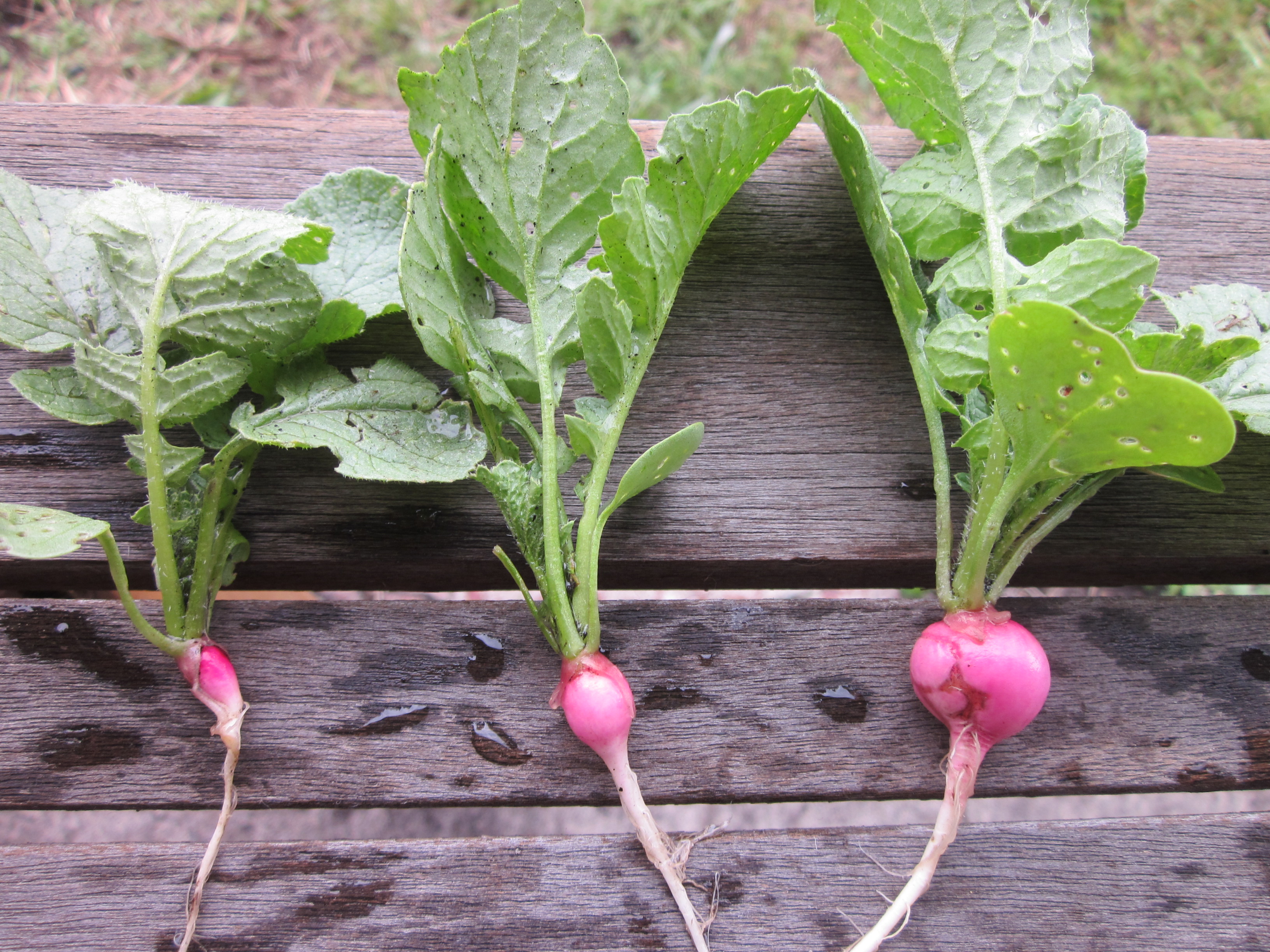
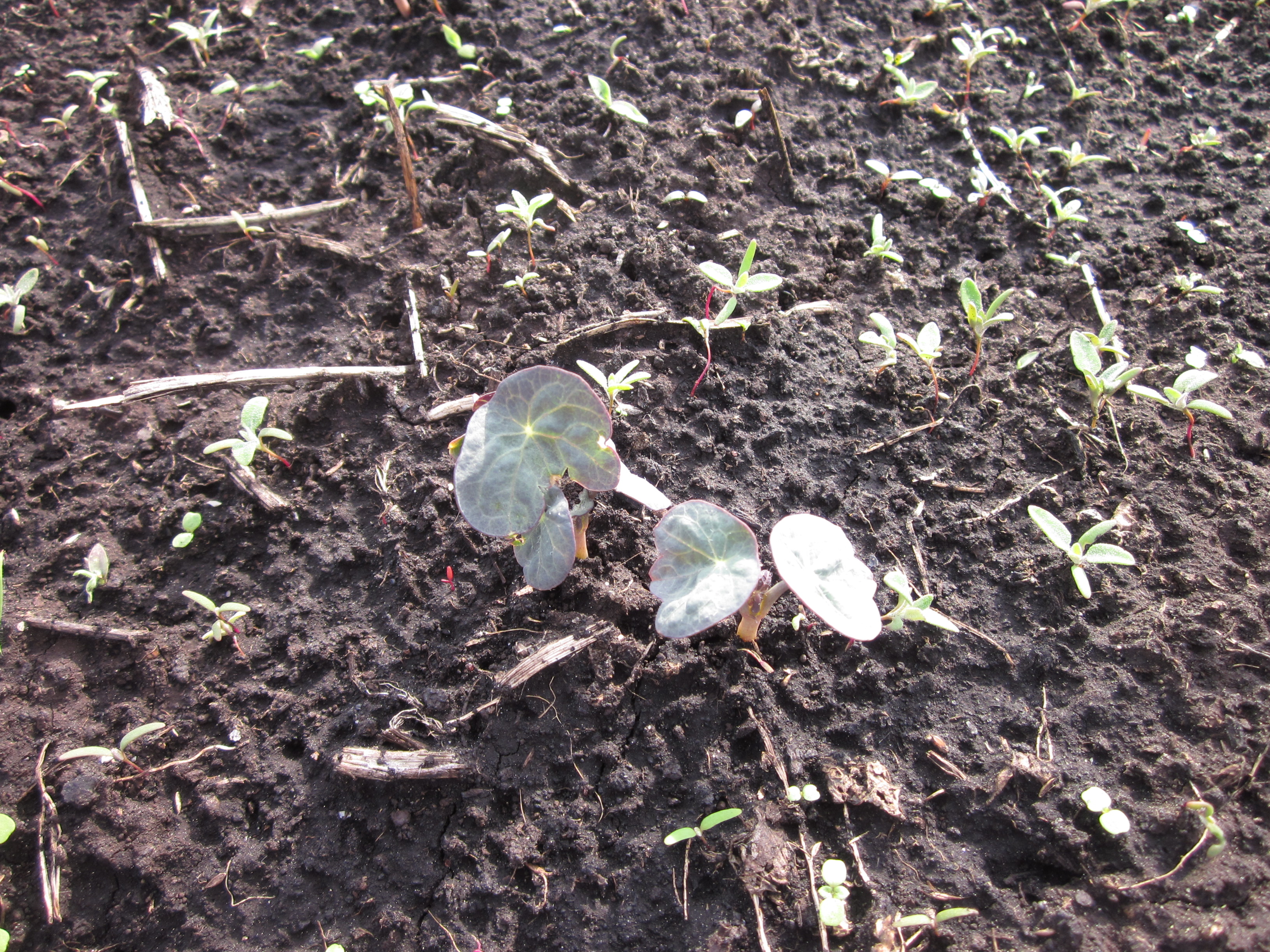
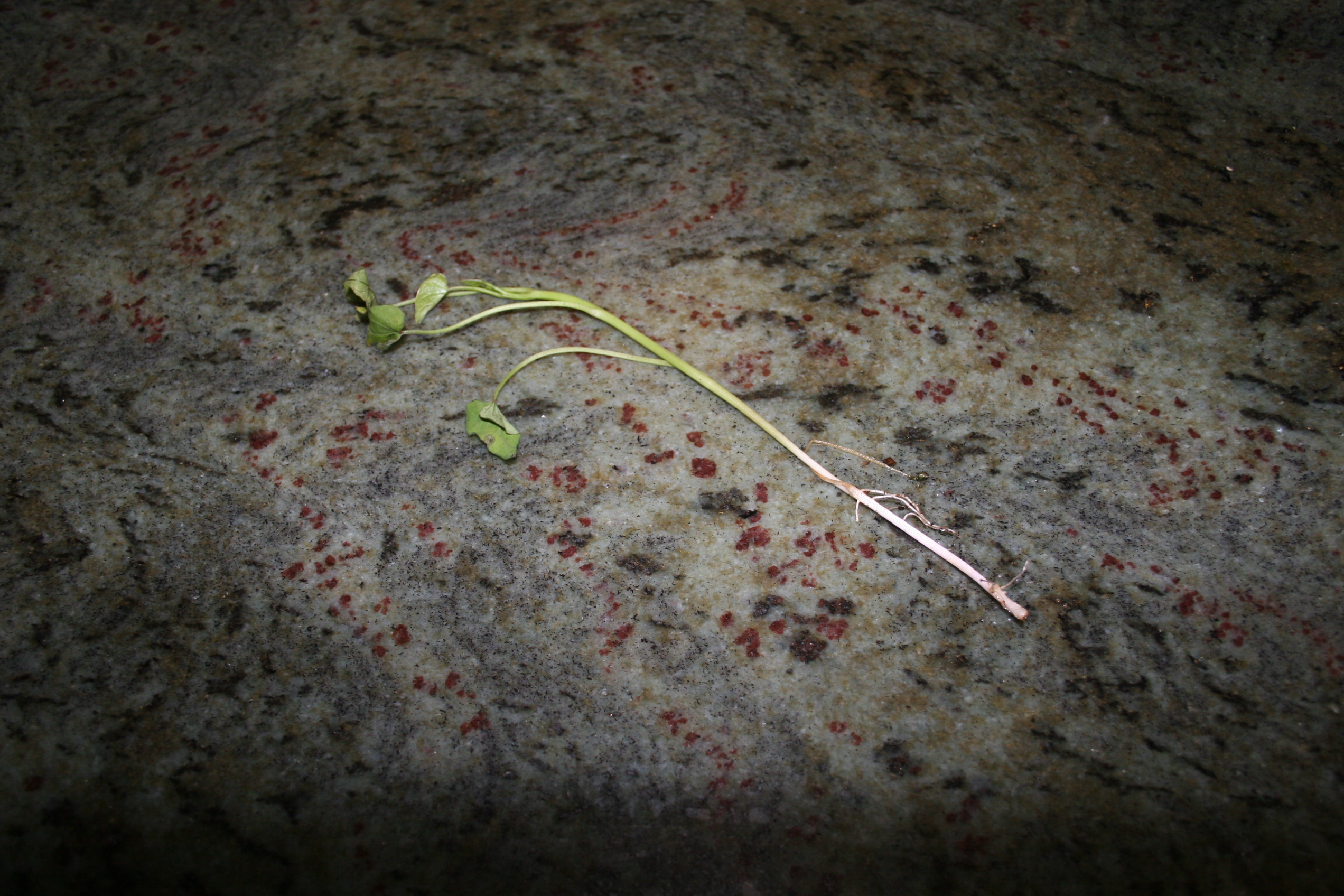
Spring has finally taken hold and radish seeds we started on Apr 26 are starting to show good growth. While weeding, I’ve been finding the seeds that strayed from the row have grown larger roots. I tried to replant these, but the leaves shriveled up by the next day.

Comparing Radish Seedlings

Comparing Radish Seedlings

I planned to use radish as a pest management tool for cucurbits (melon, cucumber, squash, winter squash, pumpkins), but to be honest, have never liked them as food. Some folks swear by them, I’ve seen radish as the hip representation on hand-crafted, screen-printed, Brooklyn-produced, $50-dollar canvas totes. But all I ever tasted was its bitter, long-lasting, tastebud-altering, aftertaste. I figured it was worth one last shot so decided to buy some at the supermarket and cook them with garlic and olive oil. Guess what, garlic + olive oil + salt + heat solves all problems. I like them! I will eat them! Heck, I will even buy those sad prepackaged little bags if that’s all the corner bodega carries.

Tatsoi

Tatsoi

Tatsoi started on Apr 19 are about the baby greens stage. Next week, I can clip some leaves.

Onion from Seed

Onion from Seed

These white bunching onions, sown in 5 rows with about 6 inches between the rows, need a serious weeding session. After checking on the kale rows and weeding around each baby kale plant, I took out a rototiller for the other row crops. The importance of a straight row became apparent as I tried to steer the cultivator from hitting the crops. I need to pick up some additional hand tools – stirup hoe, collinear hoe – to help manage this multi-row crop.

Posted in Uncategorized | Leave a comment

A Bounty of Unintended Vegetation

030

Micro Greens?

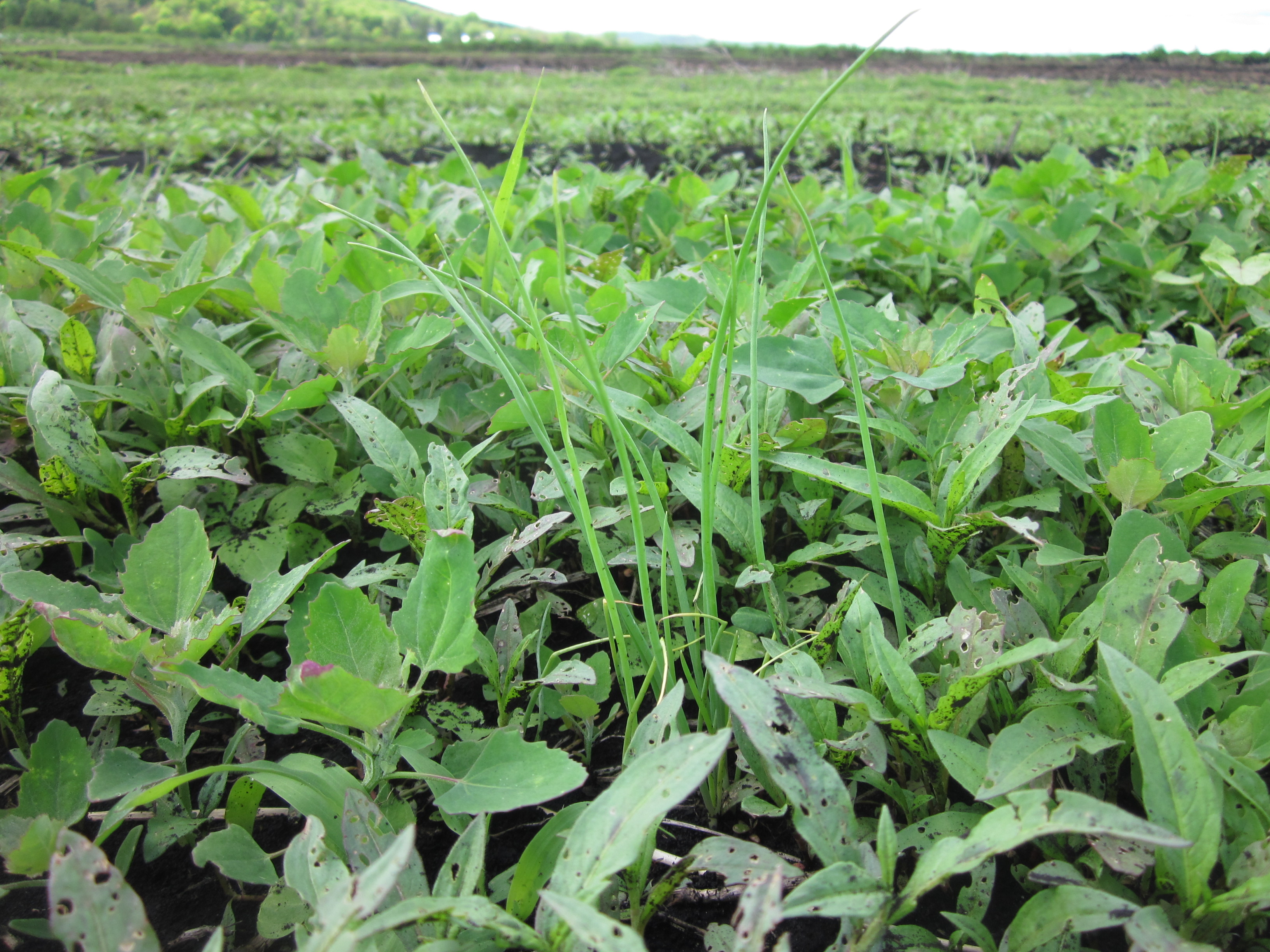
Green sprouts everywhere, including a massive bounty of weeds. Too bad no one has “properly” marketed wild, organic microgreens at $20 per pound to the retail consumers. Some of the weeds that grow abundantly are edible, and is eaten in other cultures. Maybe I need to consult with some marketing gurus and develop a new market….. hmm.

031

Microgreen Sans Weeds = Beets

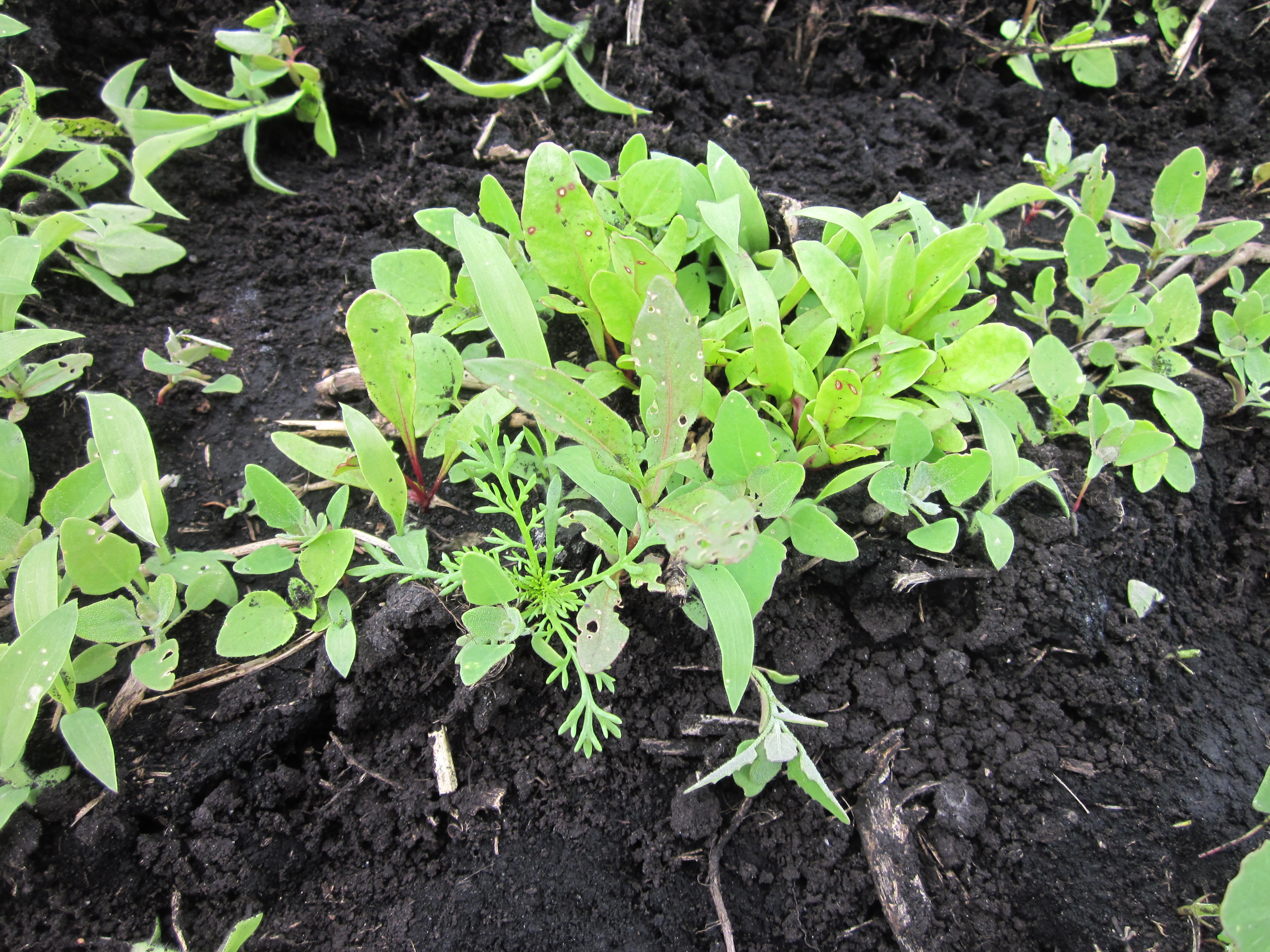
After weeding, you can see a row of baby beets. It’s not so easy to identify the vegetables until you study the row. It’s the hint of a row as you put your face near the ground and look up where the row should be, looking for a slight difference in coloring and shape. This is where you also realize having a perfectly straight row, which I don’t have, is really helpful.

039

Kale and its companion marker, Nasturtium

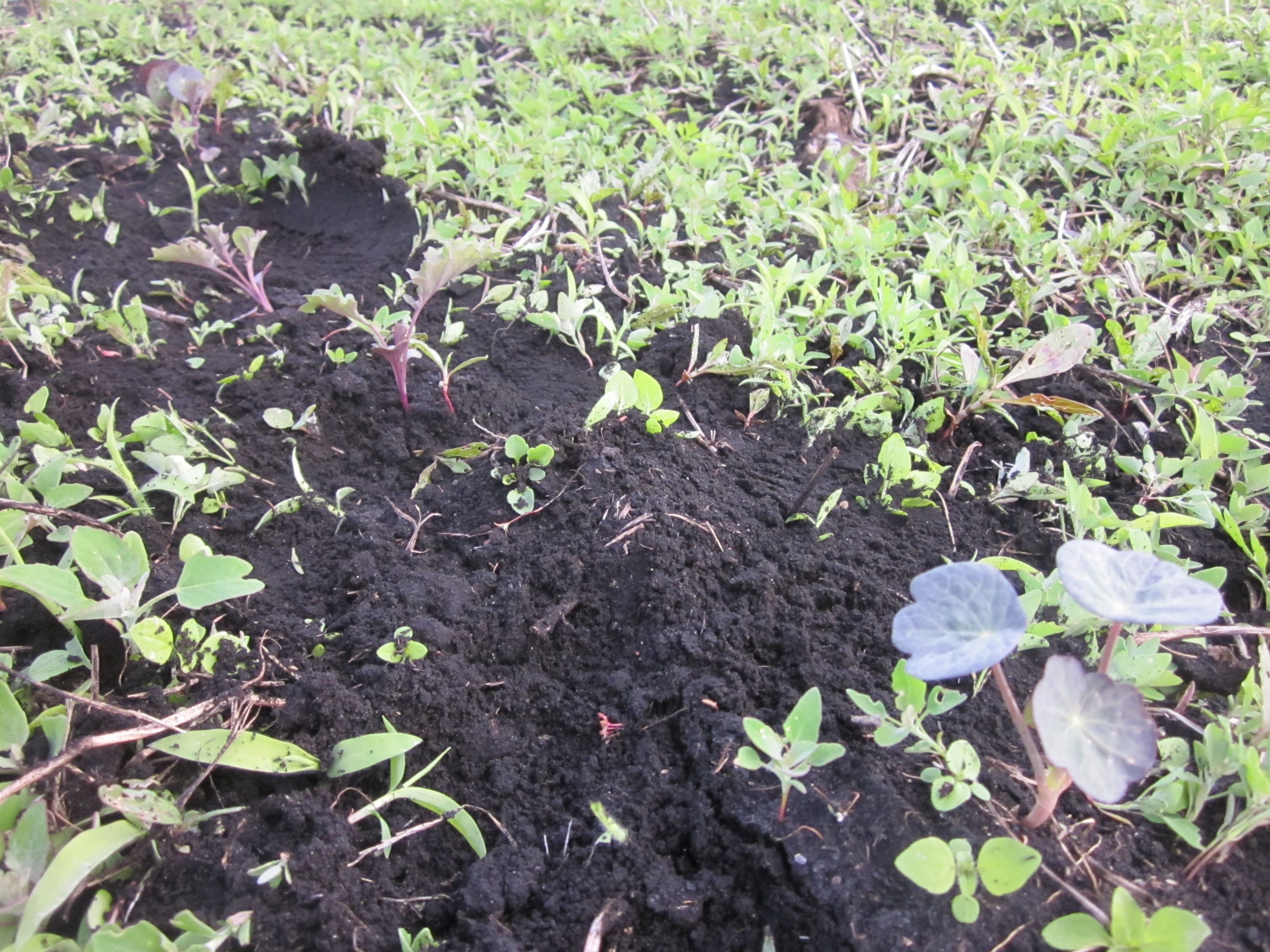
Kale (a brassica) prefers cool weather and generally is planted in summer for harvest during the fall and winter, even after snowfall. For my kale experiment, I will harvest at the baby greens stage. Brassicas are prone to many kinds of pests. Certain companion plants are reputed to be helpful in repelling pests. You can see nasturtiums I planted – round leaves in dull green – which also acted as row guides among the weeds. There are no holes in the kale, yet.

035

CSA potato from 2013

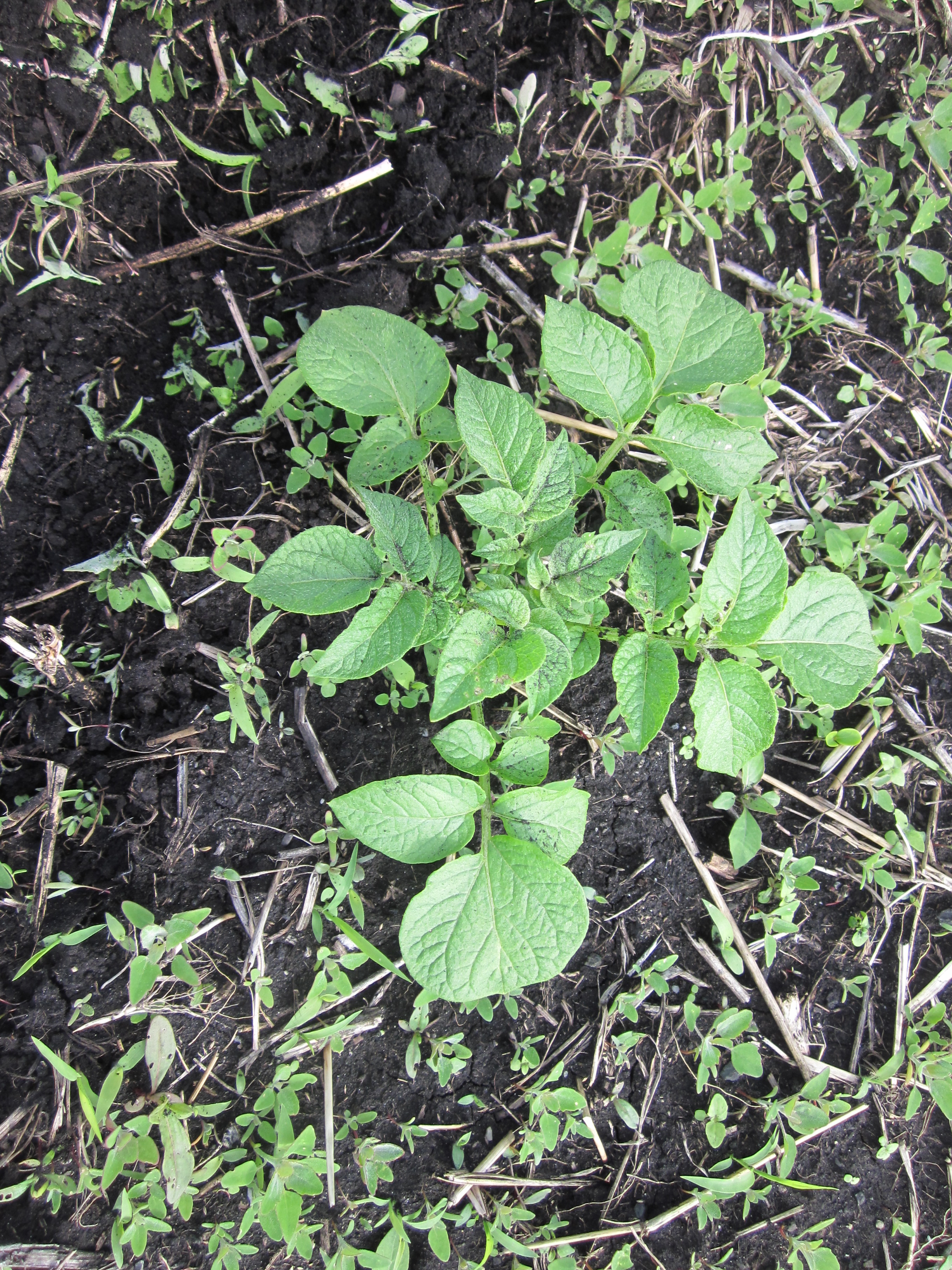
The potatos experiment took root and the leaf clusters are showing nicely. These were the organic, Hawthorne Valley CSA potatoes that I didn’t get to eat last fall, and sprouted eyes in the kitchen.

034

Saved Sage

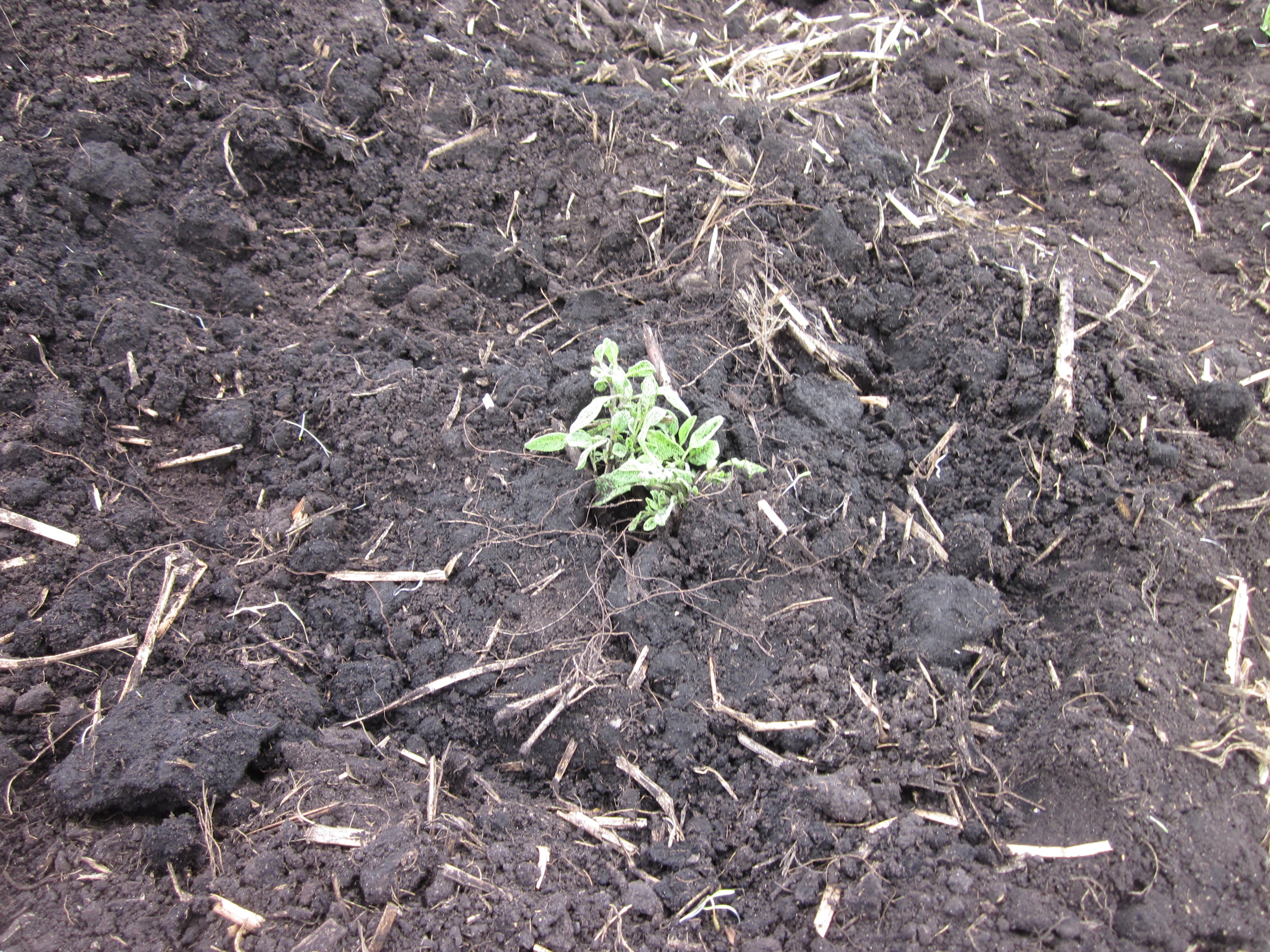
The penchant for saving strong plants continues to ensnare me. Sage and savory began to resprout from last year’s root, and now has a new home in the herb garden. The roots of these herbs are a mast of sturdy tangled mess.

032

Carrot Row

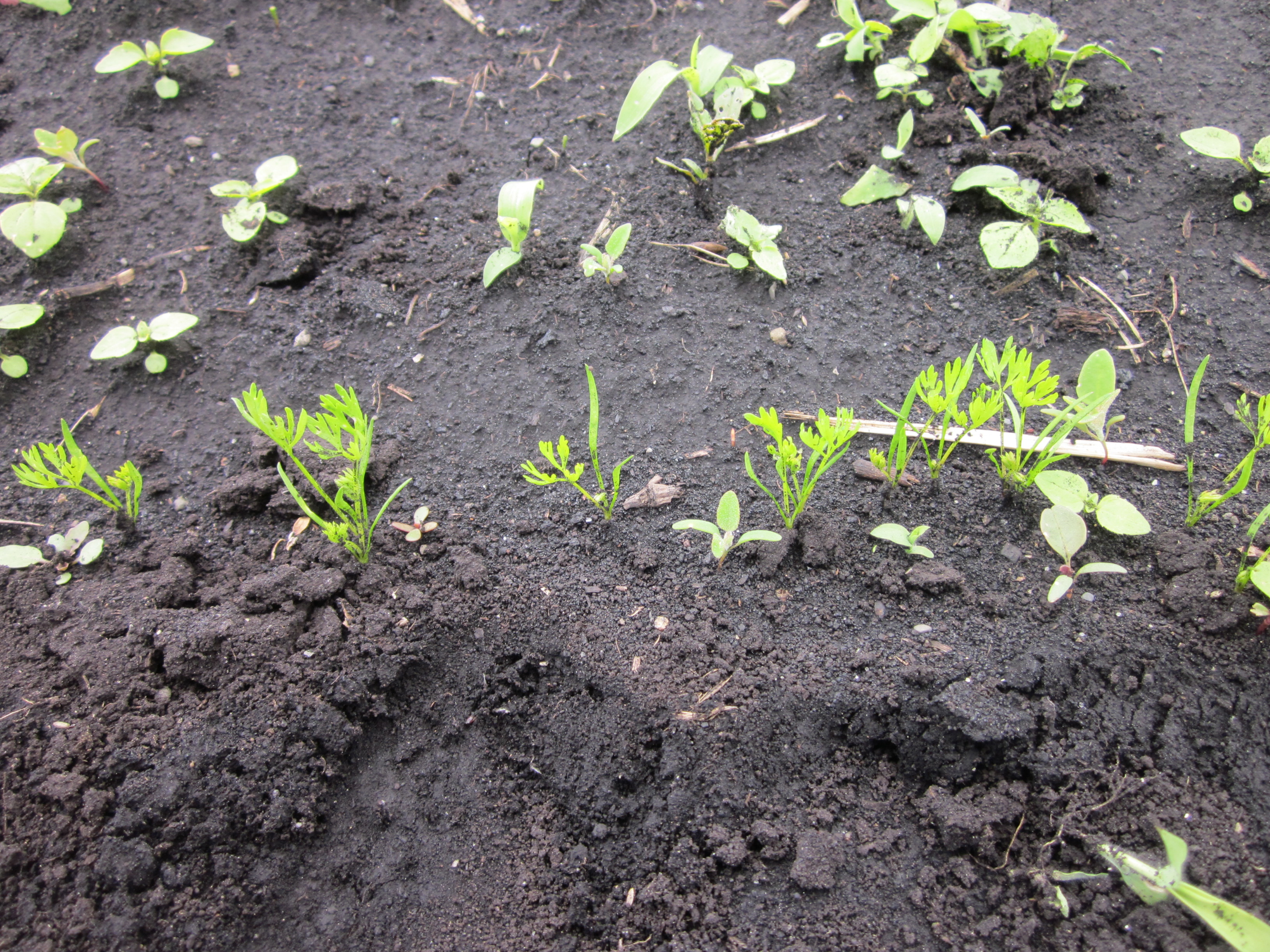
The carrot row is starting to shape up.  About 60 feet in, it met its match with a 2 foot wide zone of dill. It’s called dillweed for a reason! It would be easy enough to till the dill sprouts, or maybe I can let it grow a little more and use it to refill my herb jars.

Posted in plants | Tagged , , , | Leave a comment

Oh Snap, Are You Chiving Me?

sugarsnap peas

Sugar Snap Peas

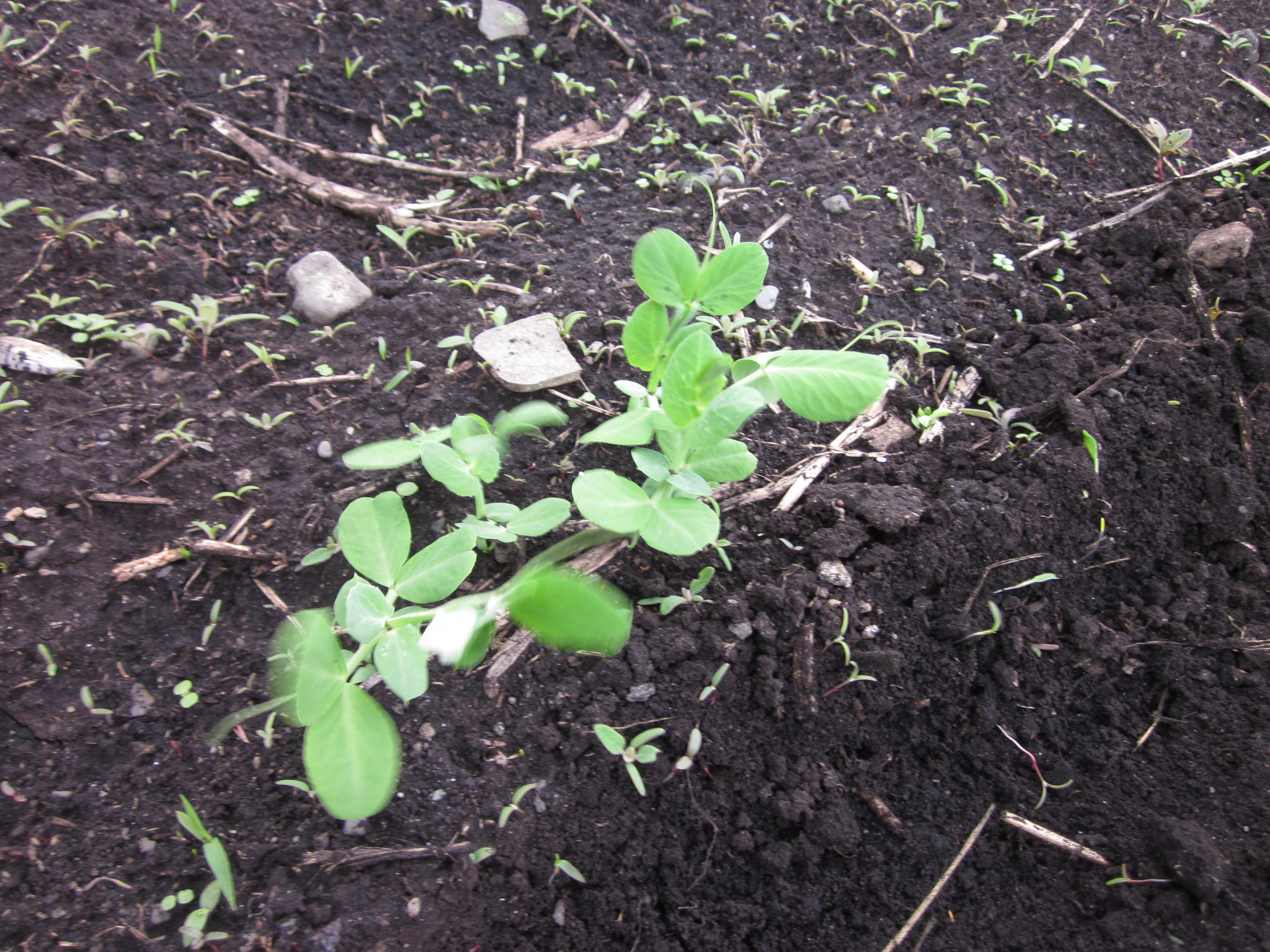
Farmers and weather, they either worry about too much rain or too little rain. There was a cold spell last week, but I hope from here on out we are solidly past the last frost date for the area. The sugar snap peas are about 3 inches, and looking strong. Give another week and we will be setting up trellis for these climbers.

027

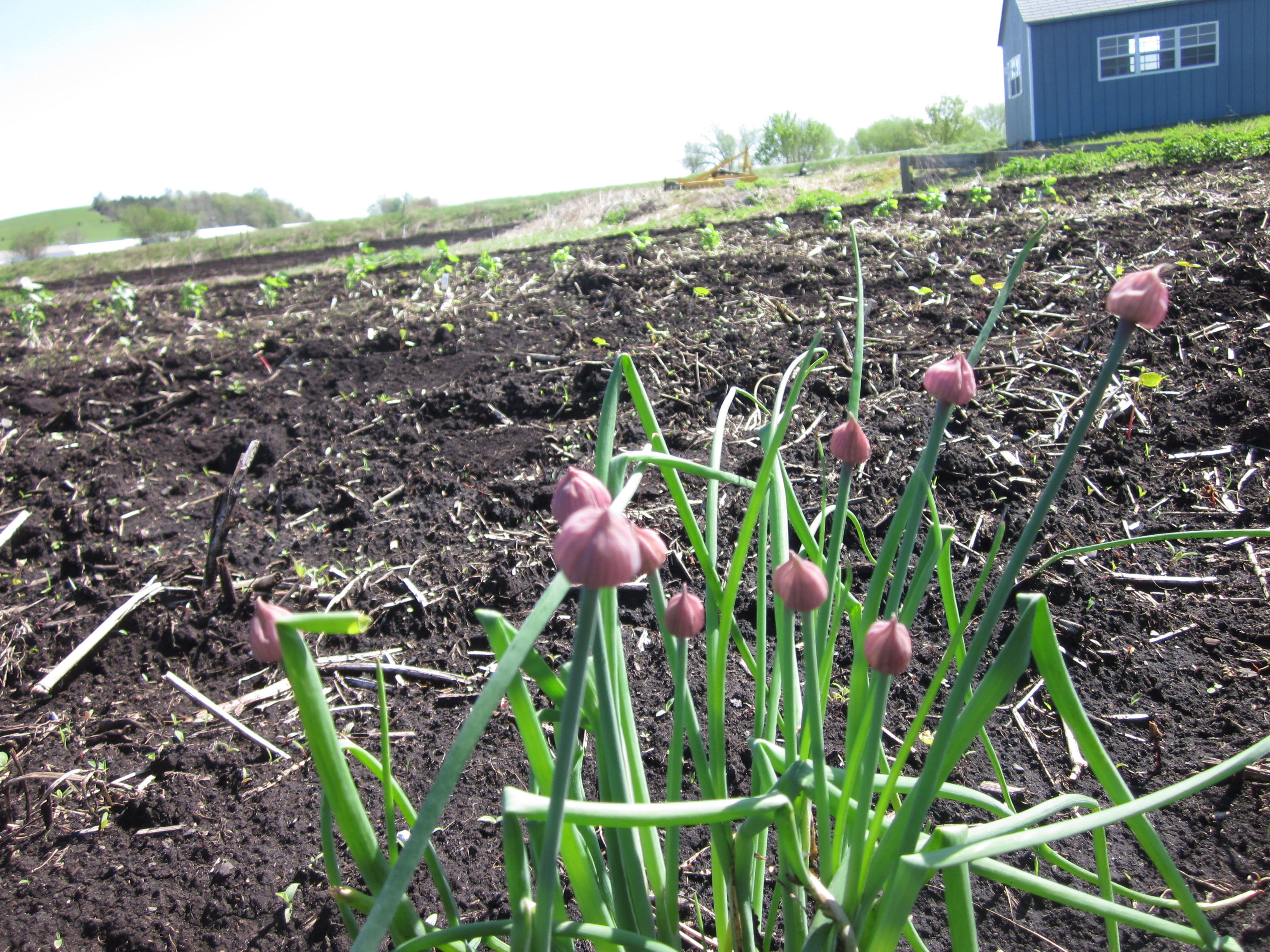
Chives Beginning to Flower

It took a whole day of working before I noticed the chives about to flower. I harvested 3 plants to within 2 inches from the ground, uncertain exactly whether the leaves will grow back, yellow, or what. Since we have a whole row of these, I expect to make a whole lotta chive dishes next week. I can smell the chive cream cheese already.

017

Munching on Tat Soi

Tat Soi is in the brassica family. In asian dishes, they are usually cooked, but can also be eaten raw in a salad. Vegetables in the brassica family are susceptible to a variety of pests. These small round holes are the work of flea beetles, which only measure 1/10 inch long. Strong plants can usually tolerate flea beetle damage, but young seedlings may not. Ways to deal with flea bettles include using transplants, timing, trap crops, floating row covers, organic or synthetic insecticides. The seedlings are still tiny, so we will wait and see what method to use to deal with this problem.

015

Nasturtium

Nasturtiums are an edible flower and disliked by a variety of pests including those that attack brassica plants. It was my grand plan to interplant nasturtiums with all brassicas, but the reality was I only interplanted in the kale rows. There was never enough time to go back to the Tatsoi rows and plant nasturtiums. I may set up an IPM (integrated pest management) garden full of flowers that that can be used for trasnplanting as needed.

014

Self-seeded Dill Field

This self-seeded dill field impresses the frugal gardener in me, but a row of carrots happen to run right through the field. Supposedly dill and carrots should not be grown close together. They are in the apiaceae family and are taprooted. The multiple taproots will interfere with carrot growth. Dill tends not to do well as transplants, except when they are young and the taproots have not developed yet. They make for a good companion plant for cucurbits (ie: cucumbers, melons, pumpkins) so I will attempt to relocate these.

Posted in flowers, plants | Tagged , , , | Leave a comment

A Slip Up

may2014_swtpotato2

Sweet Potato Slip

The sweet potato slips arrived this week, much to my surprise. They are a tropical plant and like temperatures above 70 deg F.

may2014_swtpotato

Sad Slips

They survived shipping from Maine, but within a day, started wilting. I put them in smaller containers and filled it up with water. These will have to go into the ground despite the low nighttime temperature. Let’s see if they make it.

Sweet potatos are in the Convulvulaceae family, which include climbing vines like morning glory. They are not potatoes, and are often mislabeled as yams in the grocery stores.

Posted in plants | Tagged | Leave a comment

Planted So Far

  • Sugar snap peas
  • kale, chinese brocoli, baby bok choy
  • turnips
  • carrot, parsnip
  • beets
  • red cippolini onion, pearl drop onion, bulbing onion, shallot
  • garlic
  • chives, chinese leeks
  • ground nut (apios americana)
  • potato
  • lettuce
  • perennial flower: butterfly weed, bee balm, anise hyssop


Posted in Uncategorized | Tagged | Leave a comment

What About Irrigation

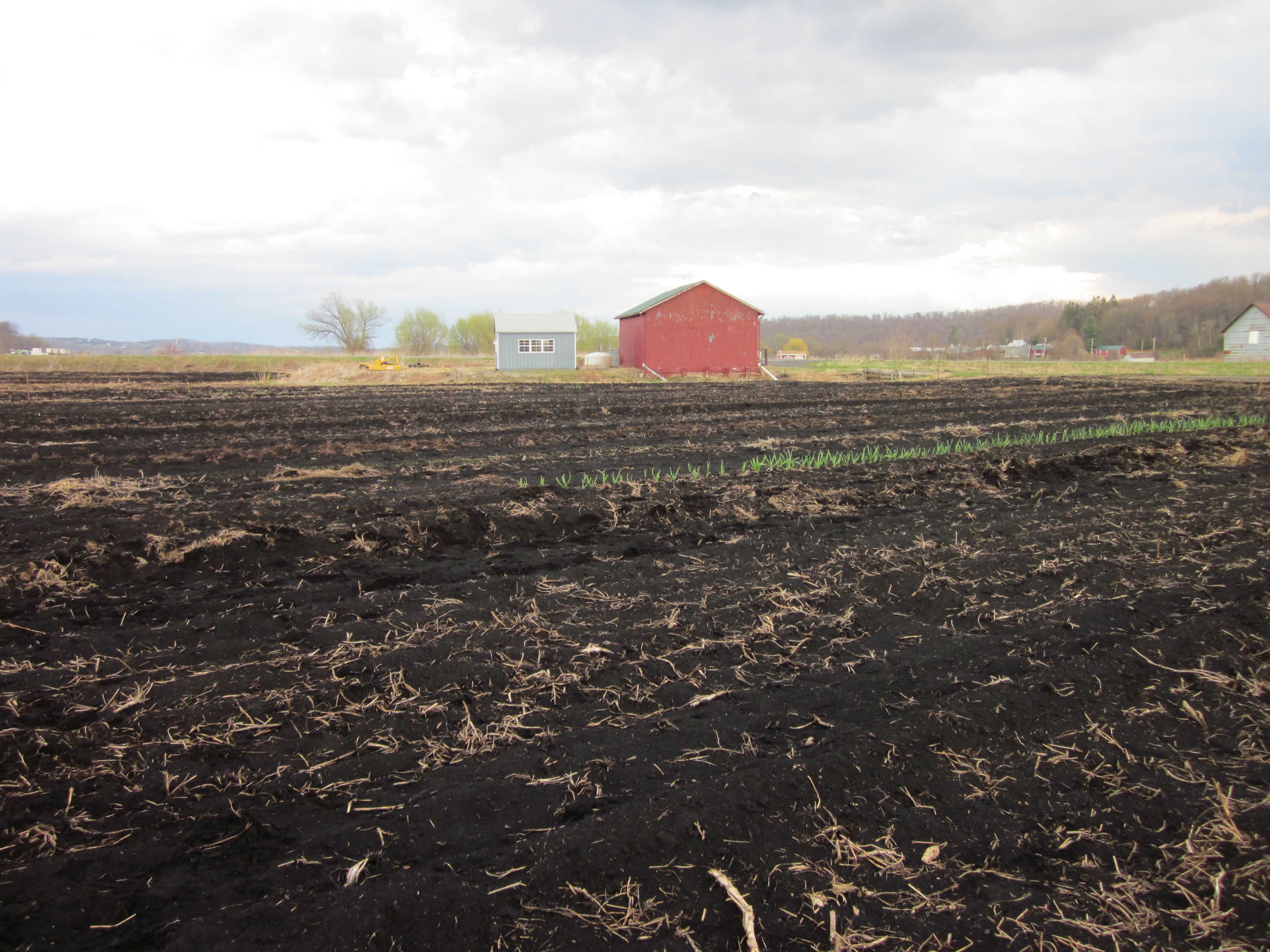
Barn and Cabin

Black Dirt

Irrigation was the first question I had about the farm. What you see is a cabin and a barn with a well in front, sans electricity, sewer, or water service.  It is the nostalgic, romantic notion of  farming, without the large house, working draught animals, or farm house. How was irrigation done in the old days?

As it turns out, this particular soil is great at absorbing and retaining moisture. The Black Dirt region of Orange County, NY was the bottom of a lake during the last glacial age. Settlers avoided farming the area as it did not drain well and frequently flooded. In mid-1800’s eastern european immigrants from Poland arrived and recognized the fertile soil and began growing onions.

If anything, flooding is more of a concern for the region.  Hurricane Irene 2011 covered the area under at least 4 feet of water, when the Wallkill river overflowed.  Luckily, hurricane Sandy did not inundate the area much in 2012.  Several local names, Pine Island, Big Island, are due to the highlands jutting above the waterline.

Some interesting stories about black dirt in New York State.

Click to access archivesmag_summer05.pdf

And the history of storm damage in the area

Click to access Appendix%20B%20%20s.pdf

Posted in Uncategorized | Leave a comment

Insect Assistants

Ladybug

Ladybug

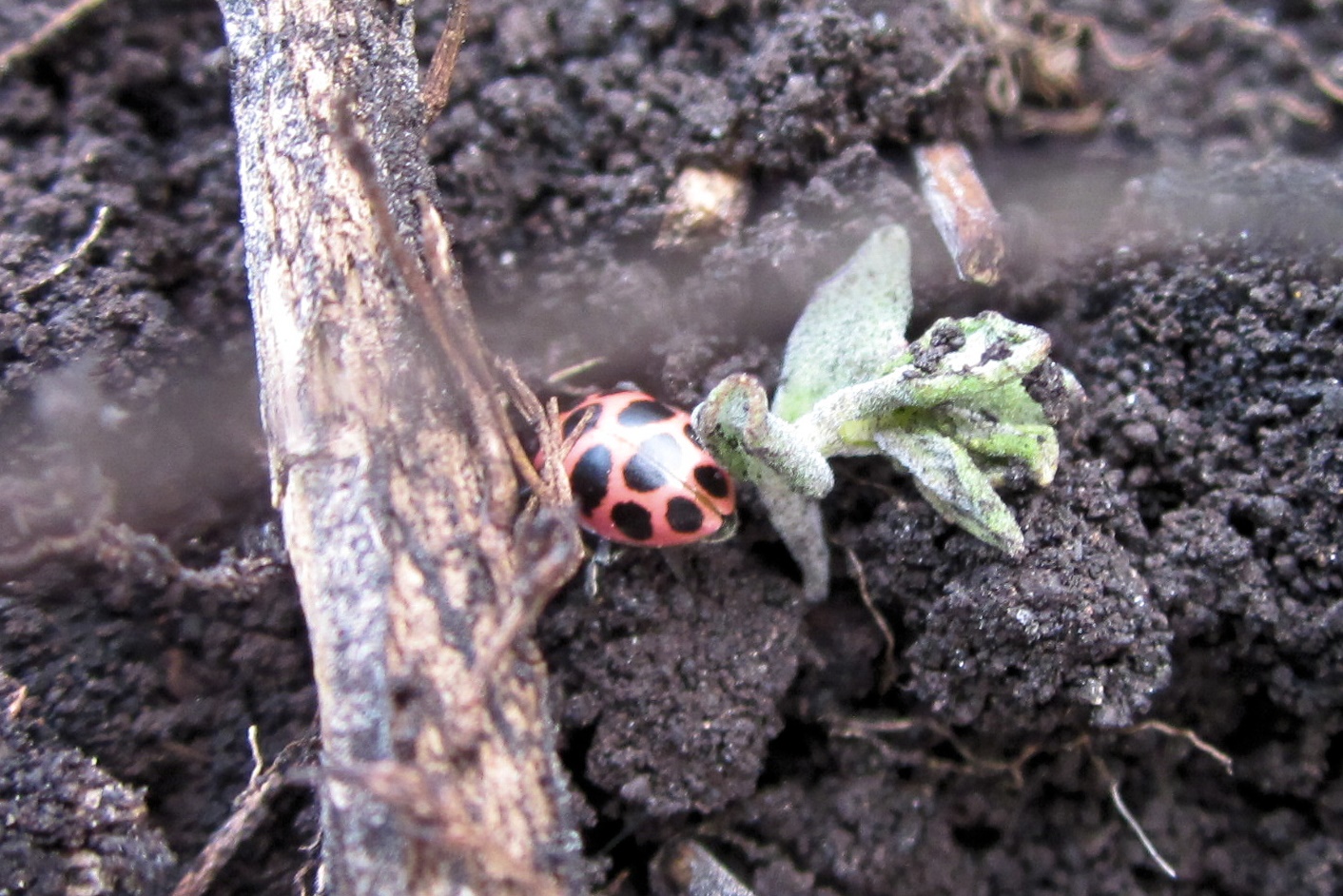
Ladybugs are great to have since they eat aphids.  In large enough numbers, aphids can do serious damage to vegetables. These orange ladybugs are actually called Asian Lady Beetles, as they were originally native to eastern asia.  They were introduced to the US as a biocontrol agent since 1916.

Wooly Bear Caterpillar

Wooly Bear Caterpillar

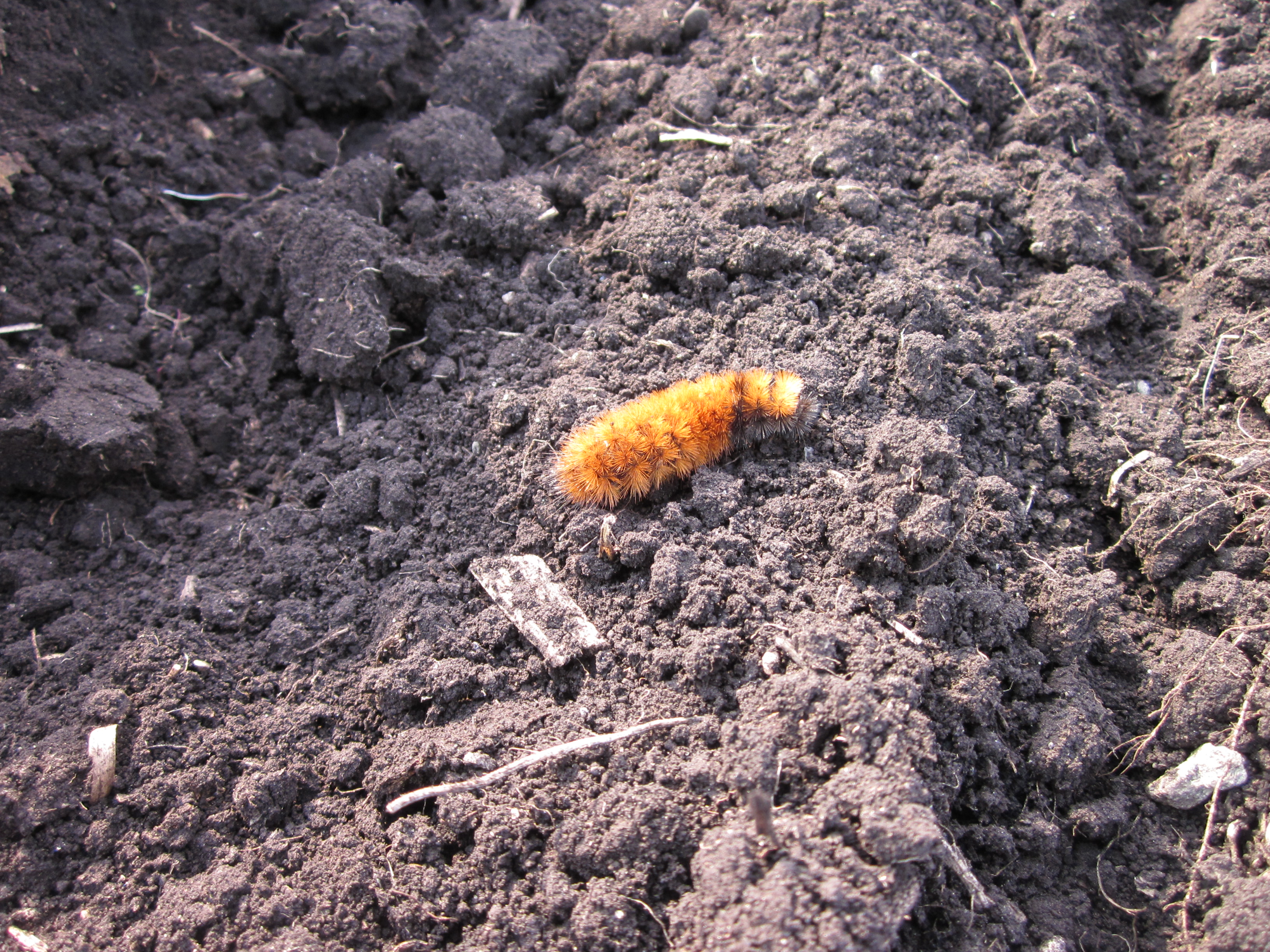
This is the woolly bear caterpillar, which is a generalist feeder who apparently prefers weeds over crops!

Posted in Uncategorized | Leave a comment

All In The Allium Family

007

Spring Planted Garlic after 1 week

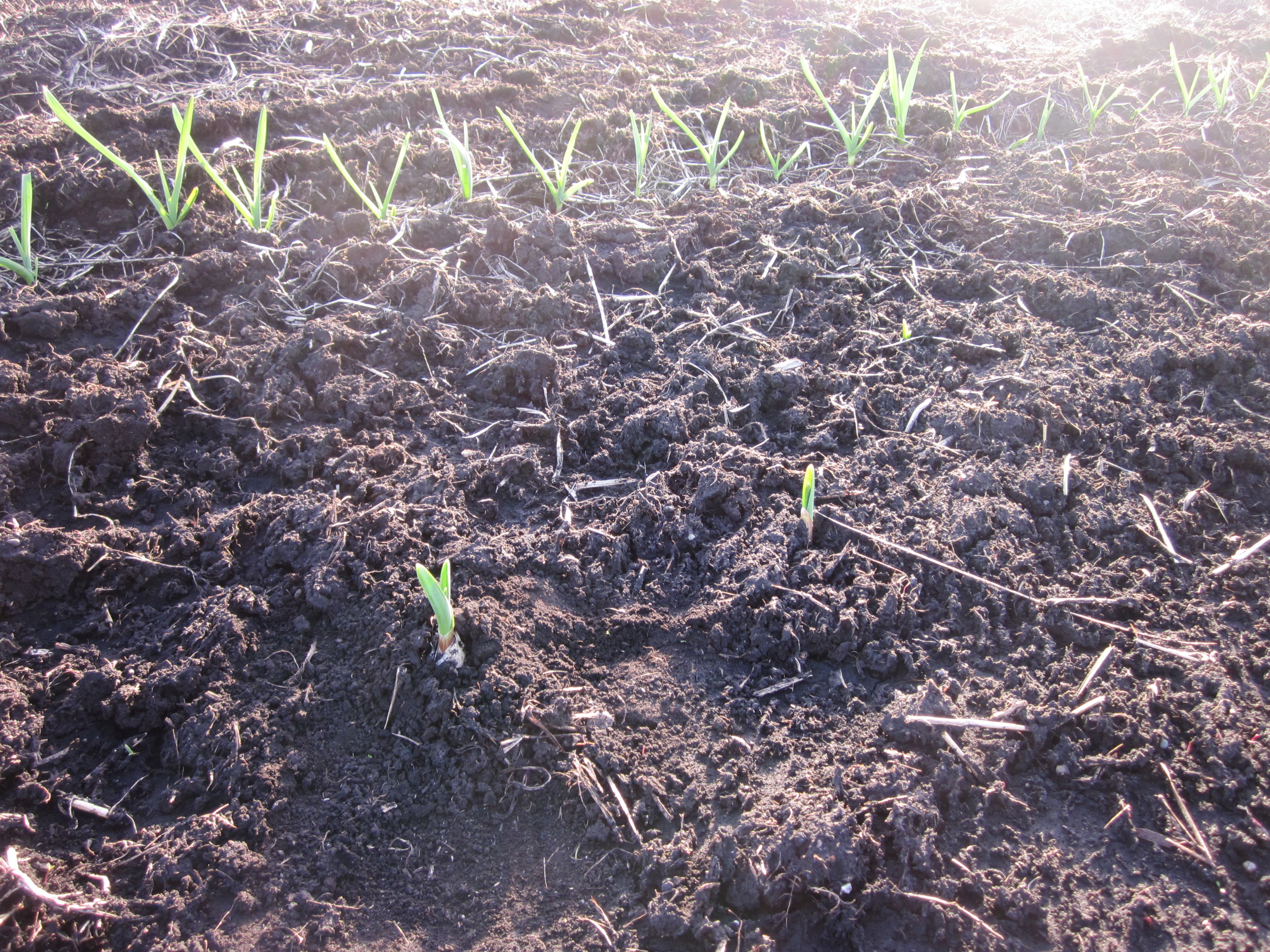
Day-am that was fast! Last week’s spring-planted garlic is popping up unabashedly. This time there is proper spacing between the plants. I contemplated popping out every other garlic bulb and replanting, but another allium needed a new home.

013

Chives in the Perennial Herb Garden

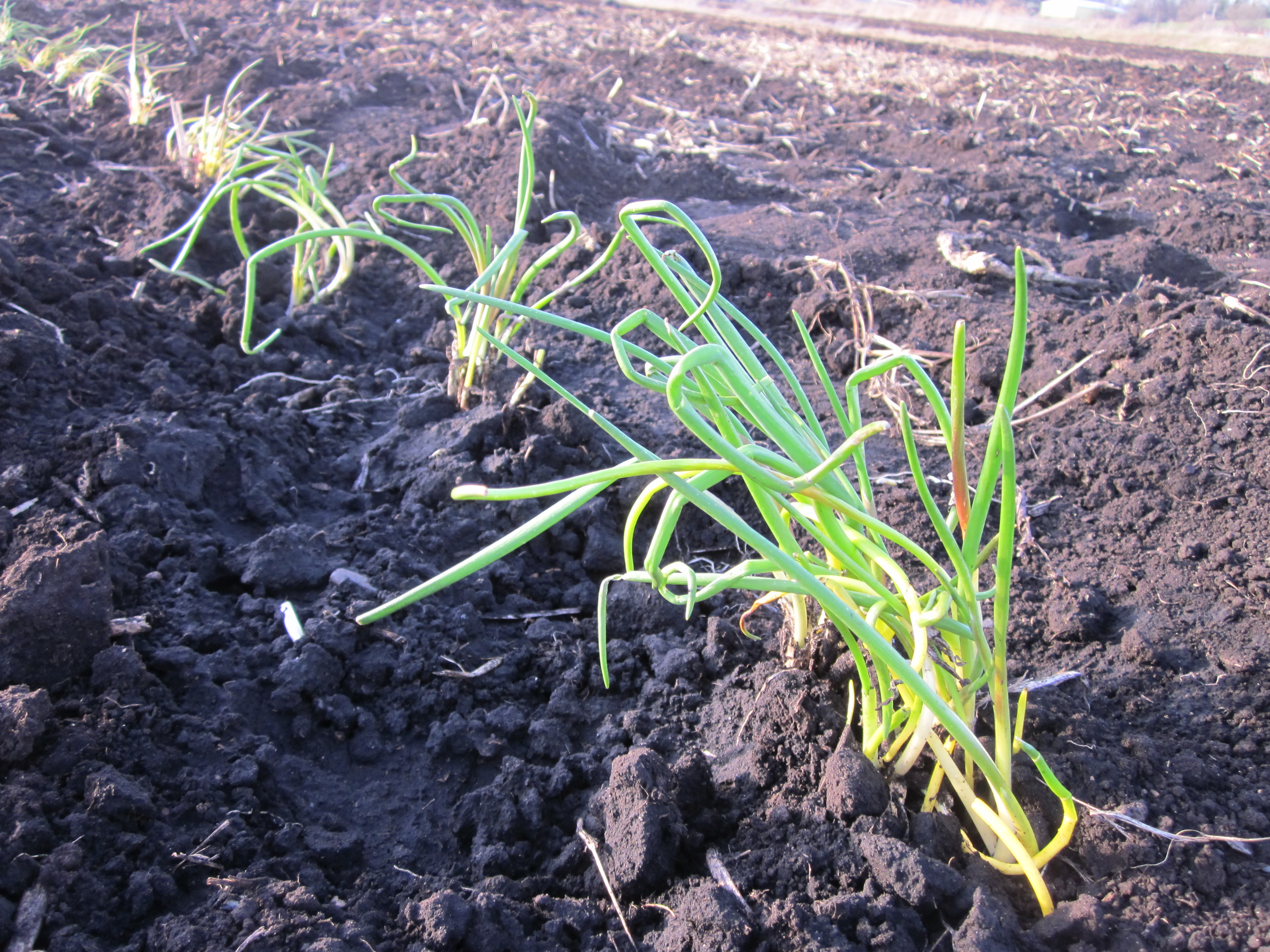
There were enough chives that survived a field disking and sprouted. We dug them up, and moved it to the new perennial herb garden.

We seeded 6 rows of cipollini onions last week, and I am hoping for it to germinate even with the low nighttime temperatures. Onions form bulbs based on day length.  The farther away from the equator, the longer the days get toward summer. Closer to the equator, the summer days do not vary much, and short-day onions requiring 10-12 hours are planted. The greens have to be lush enough to support proper bulb formation. At 41 degrees 25 minutes, we use long-day type onions that require 14-16 hours.  There are also day-neutral types that start forming bulbs with 12-14 hour day length.

Shallots. Have you ever wondered why shallots are so expensive? Hmmm, have seed, will plant.  Production guide for growing organic alliums.

Posted in plants | Tagged , | Leave a comment