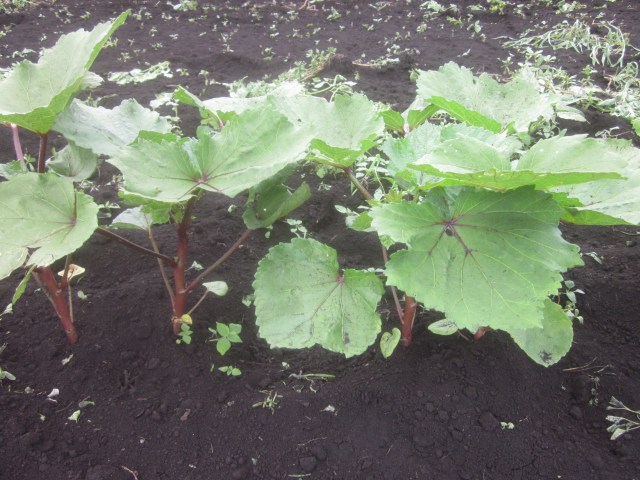
 These okra flowers are a bit of tropics in the northeast. The pods can grow huge within a few days and the two-inch pod in the picture will probably become an eight-inch behemoth by Sat. They are edible raw, and when eaten this way, are not gooey. As the plants mature, the leaf shape changes and the lobes cut deeper into the center.
 Peppers are thriving and are now starting to fill out. I placed the plants in a zigzag pattern this year, hoping that as the plants get heavy and lean, they can support each other without the labor consuming time of staking.
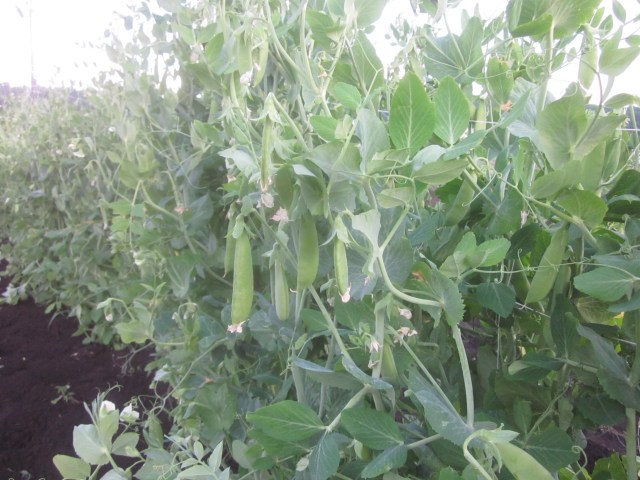
 String beans. One of my favorite vegetables, blanched quickly and unseasoned as a snack. These purple variety “Royal Burgundy” are a treat to see.
 Oh my pride and joy, the melon that is. 🙂
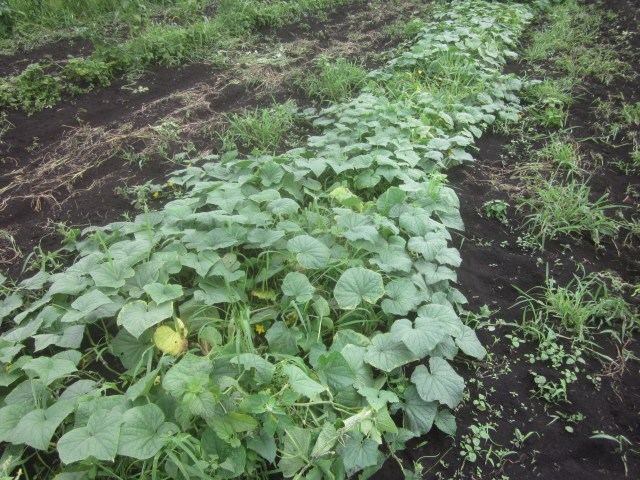
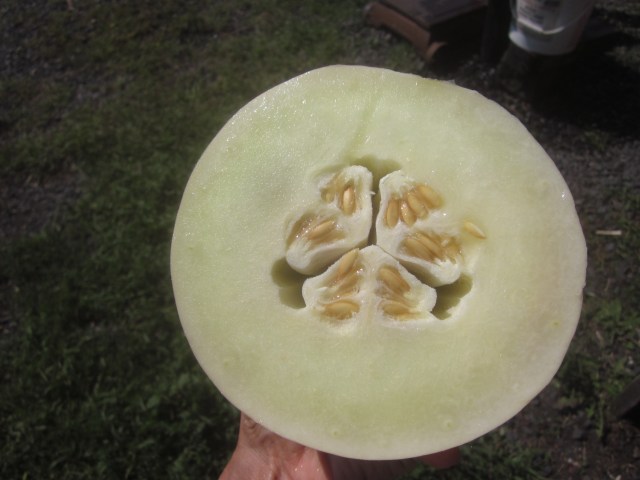 This variety of honeydew is called “Honeywhite”. The center is super sweet, but it still has a thick rind. Another week for a couple of the big ones on the vine, and early Sep for the rest.
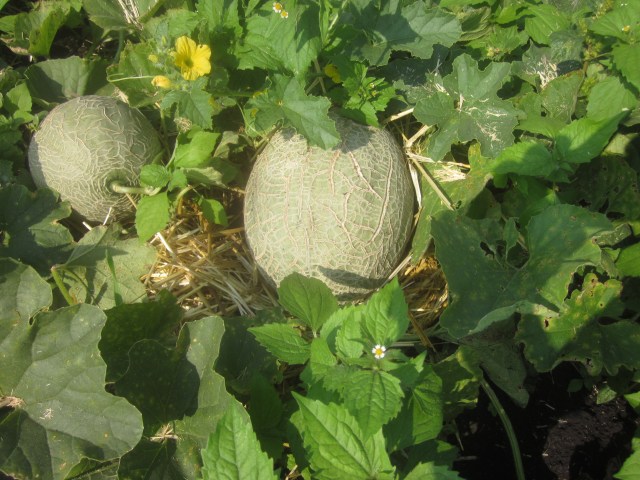 Last year we lost the canteloupes to the one wet and humid week of the entire droughty summer. This year, we took no chances and put down a straw cradle for each and every melon.
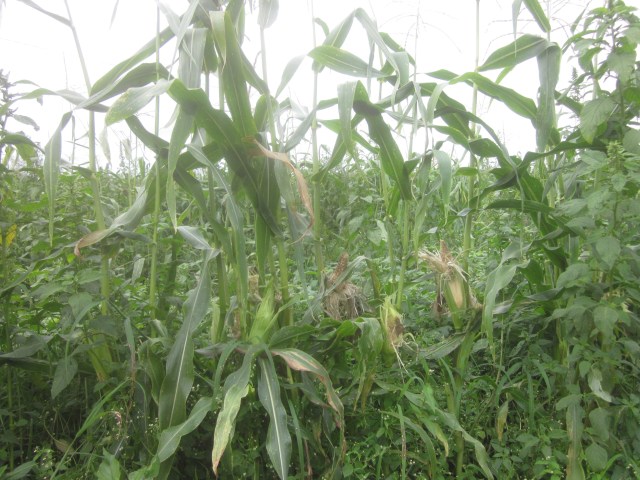 Do you see it? The single untouched corn? This is our corn patch among the weeds. You would think the camouflage would help to disguise the ears of corn.
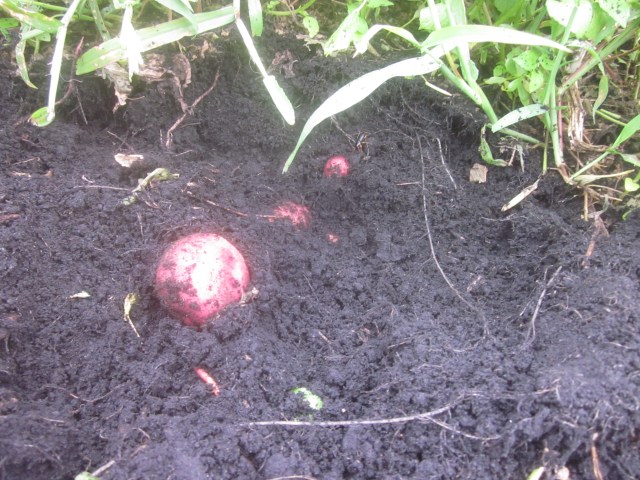 The potatoes grew fairly well this year, a first for us! The colorado potato beetles were out in force this year and did damage a lot of foliage. It led to the plants shriveling and dying early in July. We still received a significant number of tubers though. I just can’t figure out where the blue potatoes went.
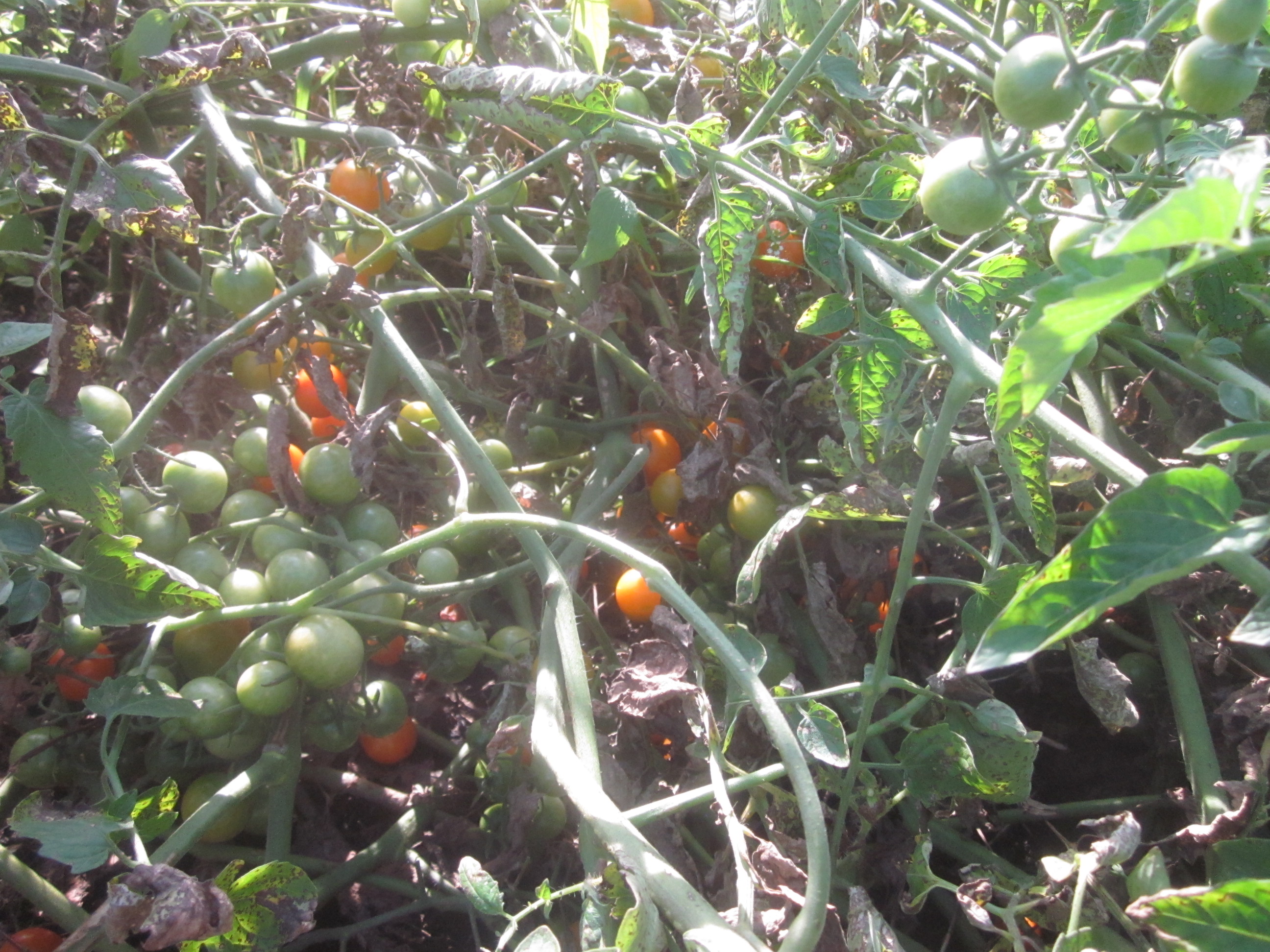 Tomatoes are starting to ripen. Each year I have grand plans to stake, support, and manage the vines properly. They would be easier to harvest with proper staking and spacing.
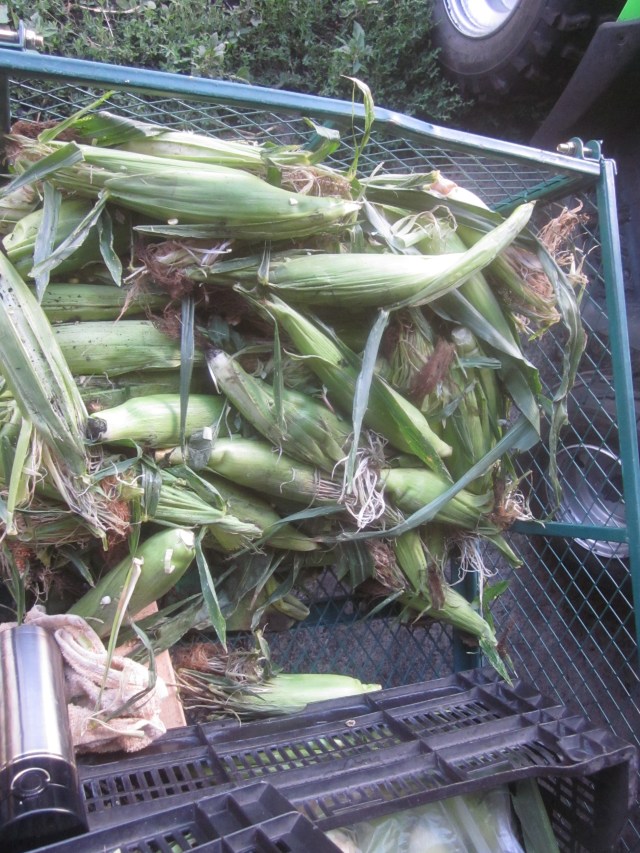 I thought we put up the bird scares early enough. But the silver tapes that flutter up high in the wind didn’t scare these birds. They swooped in anyways.
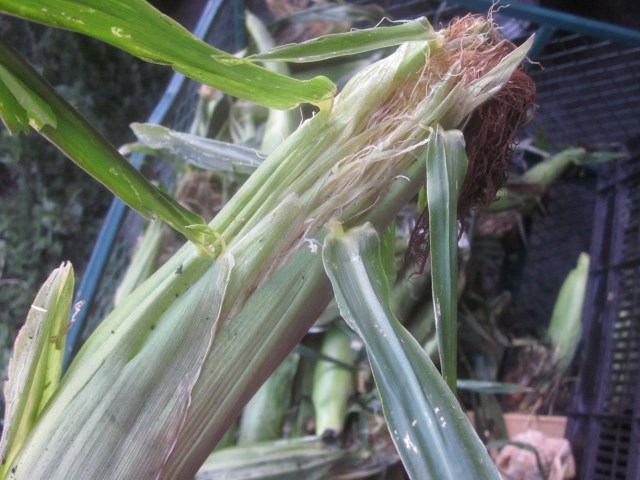 Doing my yearly ritual of scavenging leftover portions of corn. The bottom two-thirds are perfectly fine to eat, for me.
 Sugar baby watermelons growing and growing.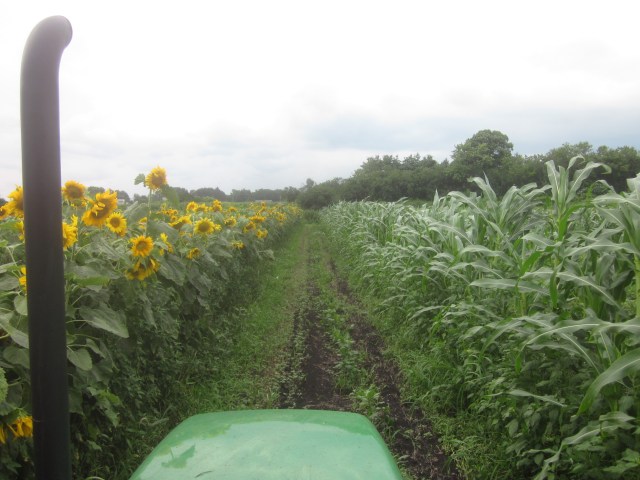





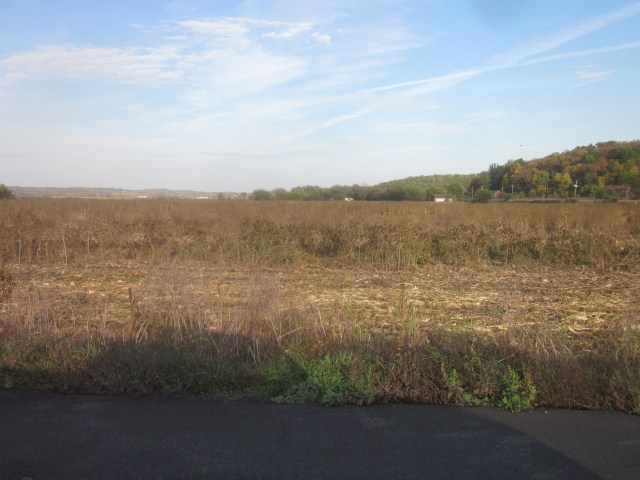 A bit of frost and suddenly everything turns to gold. Warwick is a good 5 degrees below the coastal cities, though it’s not all that far. Those 5 degrees mark our transition to closing down the farm. It’s time to tractor over the weeds and clear the plots. Also, this year we picked up winter rye as a cover crop, which is grown in late fall as a way to prevent soil erosion.
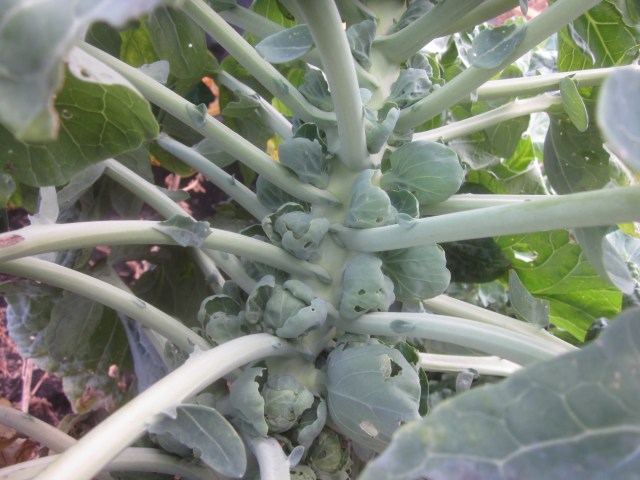 Brussels sprout plant is loaded and toppled. I did not remove the top leaves this year, wondering if it does indeed result in smaller heads. This plant is fairly hardy and will tolerate quite a bit of frost until November.
 What do you do when the stray horseradish roots from last year sprout and grow conspicuously where they should not be? Dig it up, wash, and garnish a bloody mary drink of course. They can become invasive so leaving even one small bit of root will quickly turn into a horseradish patch the next season.
 Checking on the daikon radish! They can grow to 2 feet or more in prime conditions.
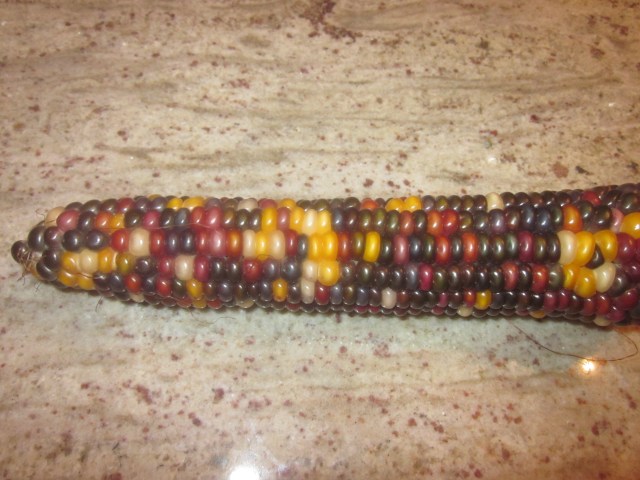 With the bit of rain on Sat, some of the dry corn actually are sprouting on the cob. The ones I’ve collected are going into a dehydrator for a more thorough drying. Planting 3 types close together resulted in some interesting hybridized corn colors. One type was a red miniature popcorn seed, and it hybridized with the full-size to form a large all-red corn. This might just incentivize me to get a grain mill!
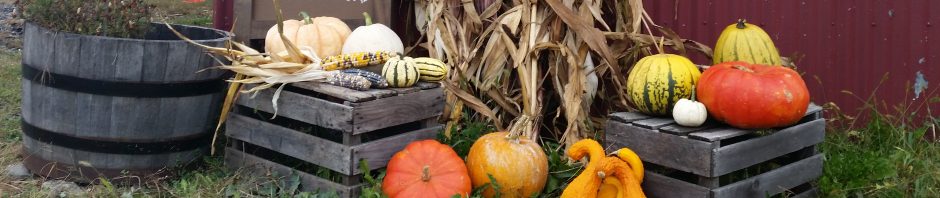
 Perhaps we are all living in a pumpkin matrix – I have no idea what crossed with what to form these yellow-green, ribbed-patterned, smooth-skinned pumpkins. I can’t wait to save these seeds and test what the next generation brings!


 Russo Family Farms